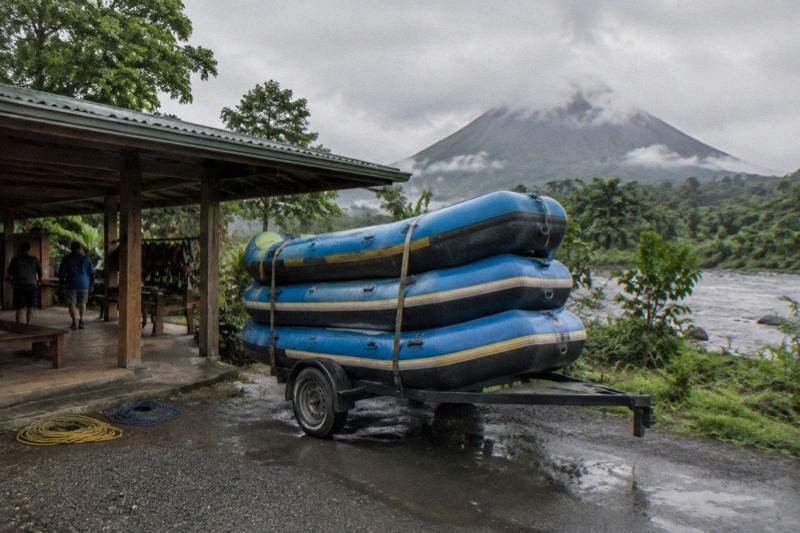
Sarapiqui Vs Pacuare: Which Costa Rica River To Raft
The Pacuare is the famous gorge run; the Sarapiqui is the one you can actually fit into most itineraries. Here is how the two rivers genuinely compare on class, scenery, drive time and cost.
Short answer
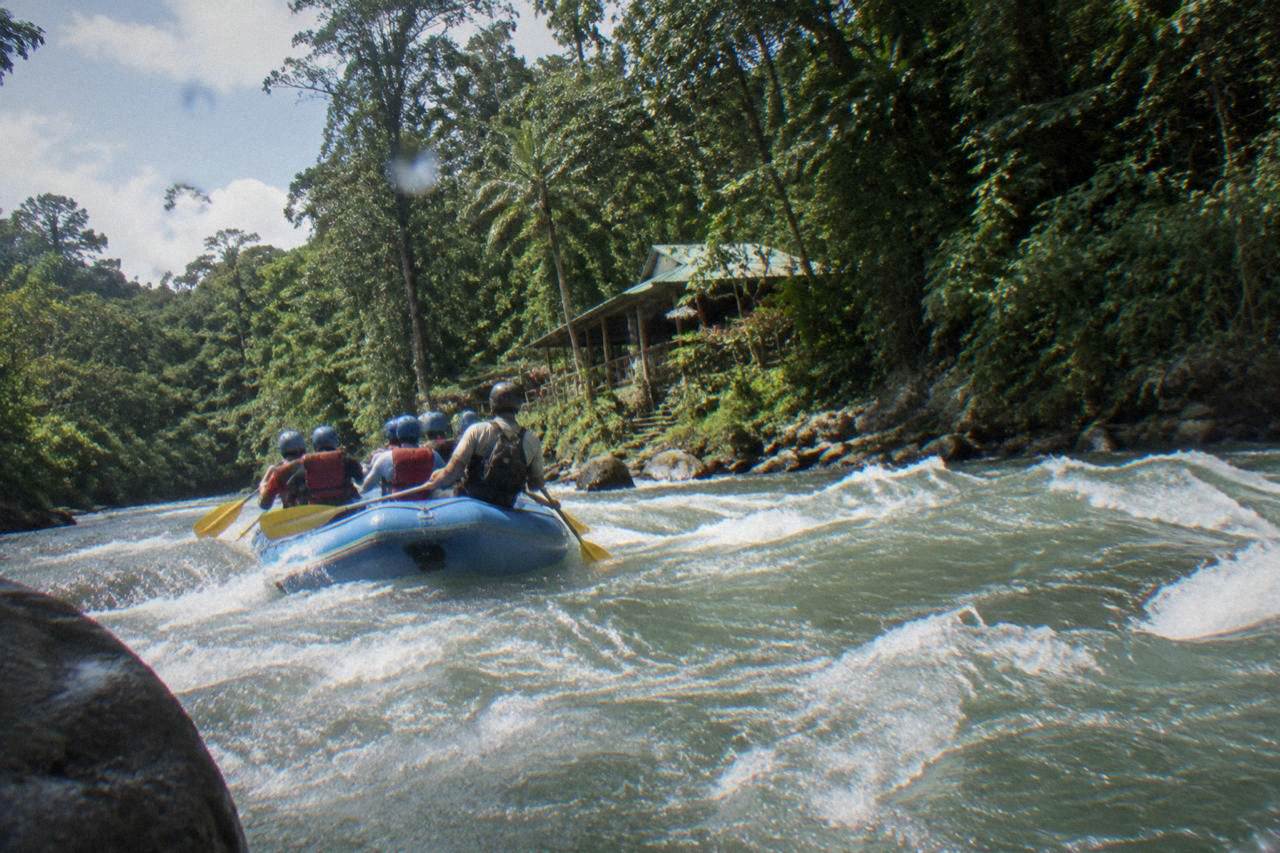
The Pacuare is a Class III-IV river in a remote gorge with a longer drive from La Fortuna; the Sarapiqui runs Class II-III at lower dry-season flows and up to Class III-IV after heavy rain, and sits roughly 1 hour 30 minutes from San Jose. Sarapiqui trips on this site run from $60 per person, the closest Class IV run from $85.
Costa Rica has two rafting rivers that dominate every shortlist, and they get conflated constantly. The Pacuare is the one with the postcard reputation: a Class III-IV run through a remote jungle gorge, further from the main tourist hubs and usually sold as a long day or an overnight. The Sarapiqui is the closer, more flexible river in the Heredia lowlands, with a Class II-III family section and a Class III-IV section of its own. This site sells Sarapiqui trips, so this comparison leans on the actual listings rather than on brochure superlatives, and it is honest about when the Pacuare genuinely wins. If neither river fits your dates or your group, the country-wide guide to Costa Rica's rafting rivers sorts the remaining options by class, region and season.
One framing fact up front: the Sarapiqui is rain-fed and undammed, so its rapid class moves with the water. Operators report the upper run at Class II-III in lower dry-season flows and up to Class III or IV after heavy rain. Nothing on either river is a fixed daily promise, and operators on both cancel or reroute in high water.
Which River Is Closer To San Jose And La Fortuna?
The Sarapiqui is the closer river to both hubs. Verified drive figures put San Jose about 1 hour 30 minutes from the Sarapiqui area, and La Fortuna about 1 hour to 1 hour 10 minutes from Puerto Viejo de Sarapiqui. The Pacuare's gorge is the more remote run, and sources consistently describe a longer drive from La Fortuna than the Sarapiqui's.
Distance is the single biggest factor most readers underestimate. The Sarapiqui sits between the two hubs, which is why so many listings use it as a connector: the roster includes trips that raft the Sarapiqui between La Fortuna and San Jose in a single day, dropping you at the other end. The featured listing on this site, the Class IV run from La Fortuna, includes hotel transportation for hotels within about 6 km of the operator's main office, which tells you how tight the La Fortuna logistics are.
The Pacuare's remoteness is part of its appeal, but it costs you half a day of driving. That is the honest trade: gorge scenery and a longer wilderness stretch in exchange for more windshield time. If your Costa Rica week is anchored on Arenal and the central valley, the Sarapiqui slots into an itinerary; the Pacuare tends to demand the itinerary be built around it.
Road conditions matter on both approaches. Route 32 through Braulio Carrillo, the main San Jose-to-Limón corridor that serves Sarapiqui-area travel, is commonly closed by rainy-season landslides, and news reports through 2026 describe repeated closures. Alternates like Route 10 via Turrialba exist, and Turrialba happens to be the Pacuare's gateway town, so a closure can shuffle your plans toward either river. Check road status the day before, and read the operator's cancellation terms on the listing.
For planning the Sarapiqui side in detail, the guide to getting to La Virgen de Sarapiqui covers routes and bases, and rafting from San Jose to Sarapiqui covers the capital departures specifically.
How Do The Rapids Compare On The Sarapiqui And The Pacuare?
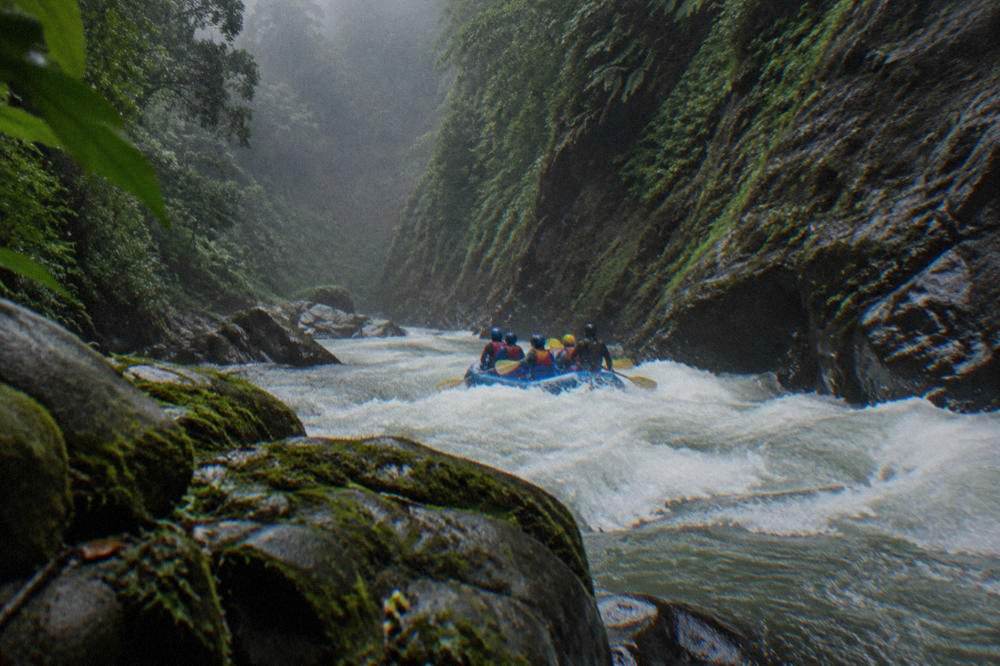
Both rivers carry a Class III-IV rating at the top end, but the character differs: the Pacuare is a continuous Class III-IV gorge run, while the Sarapiqui splits into a gentler Class II-III section and a Class III-IV upper section that softens to Class II-III at low dry-season flows.
A comparison table built from the listings, not from brochures:
| Factor | Sarapiqui | Pacuare |
|---|---|---|
| Top rapid class | Class III-IV section | Class III-IV gorge |
| Beginner option | Yes, Class II-III family section | Less typical; run is gorge-focused |
| Seasonal shift | Class II-III low water, up to Class III-IV high water | Class III-IV, more remote gorge |
| Scenery type | Dense jungle lowlands, farmland edges | Remote canyon, waterfalls |
| Drive from San Jose | About 1 hour 30 minutes | Longer drive, gateway via Turrialba area |
| Drive from La Fortuna | About 1 hour to 1 hour 10 minutes | Longer drive from La Fortuna |
The Sarapiqui's two-section structure is the practical advantage. A family with an eight-year-old can take a Class II-III trip that is legally open to that age under the national norm, while a group of adults books the Class III-IV section the same week. The roster's family listing from the Sarapiqui Outdoor Center in La Virgen states a minimum age of 6, from $85 per person, with a 4.9 rating from 200 reviews, while the extreme Class III-IV trip from the same base lists minimum age 14 at the same from-$85 price.
The Pacuare does not really offer that split. Its reputation rests on one long wilderness descent, which is superb if that is what you want and awkward if half your party would rather not. The Balsa near La Fortuna sits in between, typically Class II-III and gentler than the upper Sarapiqui; the site's Sarapiqui vs Balsa comparison covers that pairing.
For a rapid-by-rapid explainer of what Class III and IV actually feel like, the Costa Rica river class comparison is a useful independent read, and this site's own rapids classes explainer translates it for first-timers.
If your comparison has already narrowed to big water within reach of La Fortuna, these are the three Sarapiqui runs most Pacuare-curious rafters land on:
The featured Class IV run from La Fortuna is the most reviewed listing on this site, 5.0 from 845 reviews, from $85 per person for a 5-hour trip with lunch and hotel transport within that 6 km radius. The equivalent alternative from the same departure area, the Class 3-4 trip rated 4.9 from 136 reviews, runs from $122.04 per person over 6 hours with hotel pickup and drop-off included and a listing minimum age of 15. And the Class IV extreme day, 4.9 from 29 reviews at from $85 per person, covers 5 hours with a listed minimum age of 14. Three real listings, one river, no invented figures.
What Does A Sarapiqui Trip Cost Against Pacuare-Style Days?
Sarapiqui trips on this roster run from $60 per person for the budget 3-hour Class II-III paddle to $122.04 per person for the 6-hour Class 3-4 trip with hotel pickup; the featured Class IV day is from $85 per person. No Pacuare price is printed here because this site carries no Pacuare listing, and inventing one would be dishonest.
That last sentence is unusual for a comparison article, so it deserves its own paragraph. Plenty of pages will quote you a Pacuare price; this one will not, because the figure would not come from a listing this site has verified. What can be said honestly is that Pacuare days are typically longer, and longer days with remote gorge logistics are rarely the cheap option in any market. If budget is the constraint, the Sarapiqui's firm-priced floor is real and bookable: the budget Class II-III trip, 5.0 from 59 reviews at from $60 per person for 3 hours.
What the Sarapiqui price actually buys, per listing:
| Listing | Class | Duration | Price | Rating | Pickup |
|---|---|---|---|---|---|
| Budget 3-Hour Rafting | II-III | 3 hours | from $60 | 5.0 from 59 reviews | Not included; tour transport included |
| Family Rafting with lunch | II-III | 3 hours | from $85 | 4.9 from 200 reviews | Meet at La Virgen base |
| Class IV from La Fortuna | III-IV | 5 hours | from $85 | 5.0 from 845 reviews | Listed, hotels within about 6 km |
| Class 3-4 from La Fortuna | III-IV | 6 hours | from $122.04 | 4.9 from 136 reviews | Included |
| Desafio Jungle Run | III-IV | 8 hours | from $123 | 4.9 from 29 reviews | Hotel transport included |
Read the inclusions column on any listing before comparing prices. Two $85 tickets are not the same product: one includes lunch and pickup, another excludes hotel transport entirely and expects you at the operator base. The site's full cost and inclusions guide breaks this down listing by listing.
Tipping is a separate, smaller line: operators and travel sites commonly report $5 to $10 per person for a half-day group tour and $10 to $20 for a full day. Never as law, just as the norm travelers actually follow.

Which River Fits A Short Schedule?
The Sarapiqui fits a half-day or a transfer day; the Pacuare realistically consumes a full day and often wants an overnight. Sarapiqui listings on this roster run 2.5 to 5 hours for the core trips, with 8-hour connector days linking La Fortuna and San Jose, so a short itinerary almost always points to the Sarapiqui.
Duration here means the listing's total trip length, not time on the water, and the roster is the only source for those figures. The shortest genuine whitewater option is the 2.5-hour Sarapiqui adventure with snacks, from $72 per person with a listed minimum age of 8. A mid-morning Class II-III departure or an afternoon trip from La Fortuna at from $70 per person, 5 hours total, lets you raft and still be back for dinner. You cannot do that comfortably with a remote gorge run at the end of a long drive.
The connector trips are the schedule hack worth knowing about. Because the Sarapiqui sits between San Jose and La Fortuna, several listings raft the river as part of the transfer between the two: the Class 2-3 connection from $119 per person over 8 hours, and the Class 3-4 connection at from $122 per person, both with hotel pickup and drop-off listed. You were driving that corridor anyway; the rafting replaces the bus seat. For that whole corridor, the San Jose to La Fortuna via Sarapiqui guide lays out the pattern.
For the Class 3-4 connector specifically:
The honest caveat on scheduling: rain reshapes everything. Green-season high water can cancel or reroute a Sarapiqui trip just as it can close the roads to a Pacuare put-in. Build one slack morning into any rafting day in the rainy months of May through November.
What About Scenery And Wildlife?
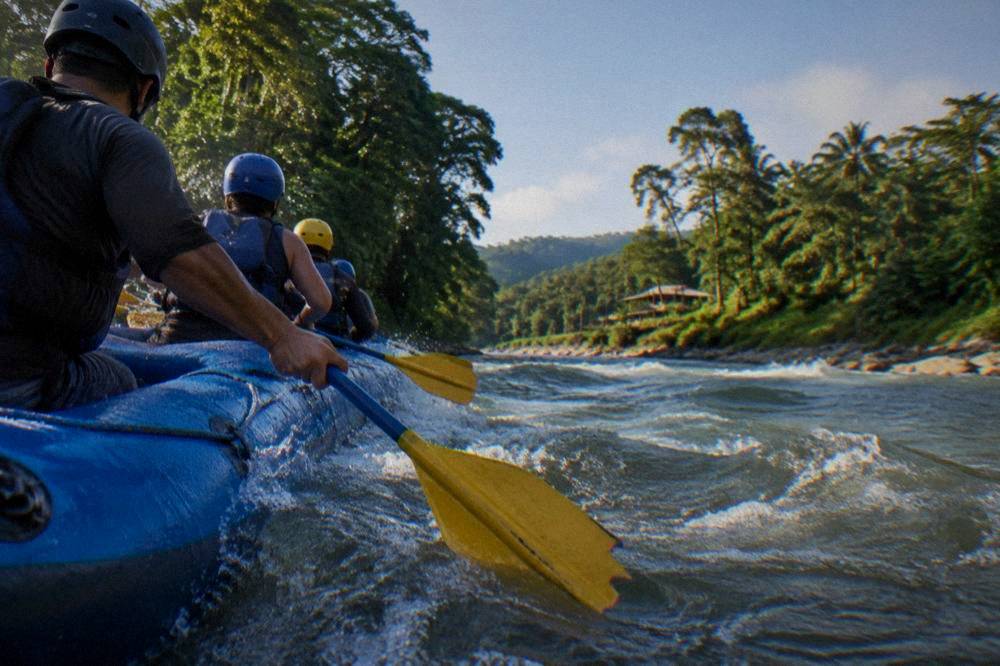
Both rivers run through jungle, but the Pacuare's draw is a remote canyon with waterfalls, while the Sarapiqui offers dense lowland rainforest along a broad river with wildlife commonly reported by operators and guests: sloths, monkeys, toucans, iguanas, caimans and aquatic birds. No sighting is ever promised on either river.
The scenery difference is real and worth stating plainly rather than hedging. The Pacuare gorge is the more dramatic, enclosed, wilderness-feeling descent; that is its brand and it earns it. The Sarapiqui's appeal is different: wide water, tall rainforest banks, and a lowland basin that conservation law has specifically protected. Law No. 10152 of 2022 established a 25-year renewable environmental safeguard along the main channel and banks of the Sarapiqui from source to the San Juan mouth, prohibiting new hydroelectric projects and new mining extraction concessions. That is why the river runs undammed, which is also why its level, and its rapid class, moves with the rain. Everything else covered here is indexed on Sarapiqui River Rafting.
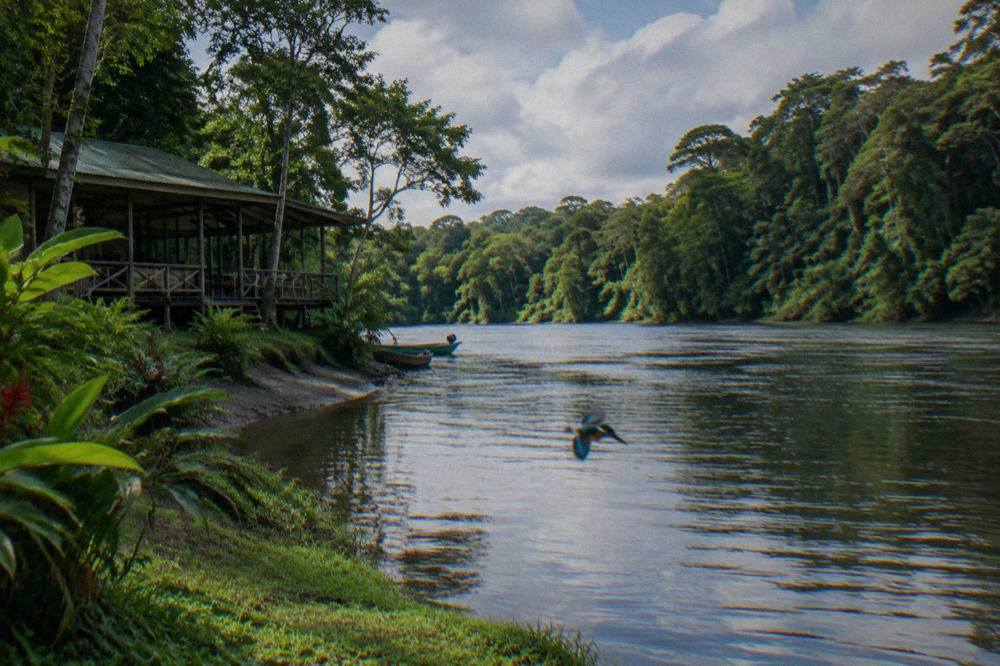
Wildlife-wise, the Sarapiqui basin is one of the better-studied lowland forests in the country, with La Selva Biological Station and Tirimbina Biological Reserve on the same corridor; Tirimbina is open daily 7:00 a.m. to 5 p.m. and its hanging bridges cross the river itself. Pairing a rafting morning with a reserve walk is a realistic one-base day, covered in the Tirimbina and La Selva with a rafting day guide. On the water, the gentler float listing, a 3-hour wildlife safari float from $90 per person with a listed minimum age of 4, exists precisely for the wildlife-first crowd: no whitewater claims, just the calm sections where animals are actually seen.
If wildlife is your primary reason to be on the water, the dedicated Sarapiqui wildlife from the raft guide collects what is verifiable, and it is candid about what is not.
Which River Suits Families And Beginners?
By law and by listing, the Sarapiqui takes it. The national norm INTE G60-1:2019 opens Class I-III to ages 8 to 11 and Class I-IV from age 12, and Sarapiqui listings put family trips at minimum age 6 and Class III-IV trips at 14 to 15, while the Pacuare's Class III-IV gorge character leaves little room for young children.
The age table is worth seeing in full because it governs every commercial rafting trip in the country, on any river:
| Participant age | Classes permitted under INTE G60-1:2019 |
|---|---|
| Under 5 | None |
| 5 to 7 | Class I and II only |
| 8 to 11 | Class I to III |
| 12 to 17 | Class I to IV |
| 18 and over | Class I to V |
The national rafting norm also obliges operators to supply and verify helmets and life jackets for every participant, and guides must hold certification in rafting and swiftwater rescue under INTE G60-2:2019. Those rules apply equally to Pacuare operators, so this is not a safety gap between rivers; it is an age-and-difficulty fit question. Operators set their own minimums above the legal floor, and weight limits and swimming-ability requirements vary, so always check the listing.
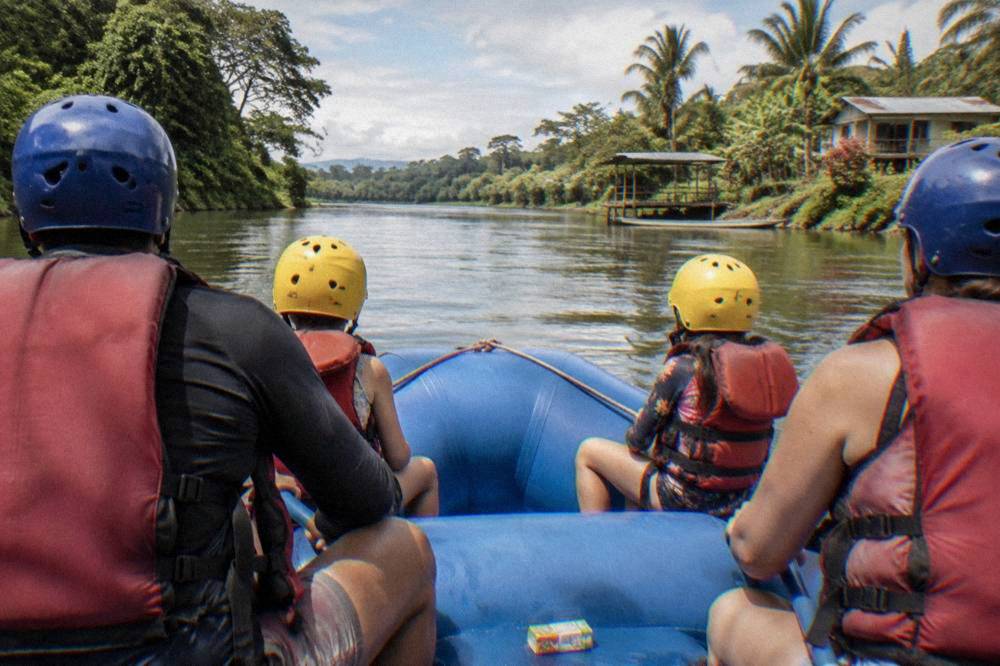
For a first-timer household, the practical Sarapiqui pick is the family Class II-III trip from the La Virgen base: minimum age 6 as listed, up to 24 guests, lunch included, 4.9 from 200 reviews at from $85 per person. Beginners venturing further should read first-time rafting in Costa Rica and the age and weight limits guide before booking anything Class IV. Families weighing a backup river can see how the Balsa stacks up against the Sarapiqui before committing to either launch point.
When Does The Pacuare Actually Win?
The Pacuare wins when you have a full day or two to spend, want a continuous wilderness gorge rather than a sectioned river, and accept the longer drive as part of the experience. Travel comparisons consistently describe it as the more remote, dramatic canyon run, and there is no reason to pretend otherwise on a site that sells Sarapiqui trips.
This page would be useless if it pretended the closer river wins every time. If your trip is a once-in-a-lifetime rafting pilgrimage and you have budgeted the hours, the gorge is the gorge. What the honest version of this comparison says is: know the trade. You are exchanging schedule flexibility, a family-class section and connector-day logistics for canyon scenery and a longer wilderness float.
The Sarapiqui wins, concretely, when any of these is true: you are based in La Fortuna and want a half-day; you are transferring between San Jose and La Fortuna and want the river to replace the bus; you have children under 12; or your itinerary simply cannot absorb a full-day gorge commitment. Independent rafting write-ups, including this guide to Costa Rica's rafting rivers and seasons, make the same geography point: the Sarapiqui is the closer Class III-IV option to the Arenal hub. Once you have settled on a river, the breakdown of white water rafting trip prices in Costa Rica shows what each budget level actually buys you.
For the timing question, the site's month-by-month breakdown in Sarapiqui river levels by season tells you when the Sarapiqui runs its biggest water, which is exactly when it is most convincingly a Pacuare substitute.
How Do You Decide Between The Two Rivers?
Decide on schedule first, class second, scenery third. If your calendar cannot give the Pacuare its full day plus drive, book the Sarapiqui Class III-IV run, from $85 per person, 5 hours, the most reviewed trip on this site at 5.0 from 845 reviews, and spend the hours you saved somewhere you actually want to be.
The decision collapses to three questions. How many hours can the river take? Who is in the boat, and how old are they? Does the itinerary already pass the Sarapiqui corridor between San Jose and La Fortuna? Answer those and the river picks itself. That is why this site built a trip picker and homepage comparison around the Sarapiqui roster: most Costa Rica itineraries already cross this river's path. If your route ends in La Fortuna anyway, the honest case for visiting Arenal Volcano shows how a Sarapiqui rafting day turns that volcano stop into the best part of the trip.
For the wildlife-first visitor, one more option belongs in the mix. Rather than the whitewater runs, the calm-water alternative:
The Aguas Bravas rafting day from Chilamate, 4.9 from 101 reviews at from $70 per person for 3 hours, includes pickup from a Sarapiqui hotel or the operation center, a fresh fruit buffet, lunch and drinks. It is a Class II-III trip, which for many Pacuare-dreamers traveling with mixed ages is the realistic middle path: on the water, in the jungle, and back in time for everything else on the list.
Whatever you book, print the listing's cancellation terms and keep the slack morning. Rivers move, roads close, and the operators who reroute you gracefully are the ones worth booking again.
Common Questions About Sarapiqui Vs Pacuare Rafting
Is the Pacuare better than the Sarapiqui?
"Better" depends on your schedule and crew. The Pacuare is a more remote Class III-IV gorge run with a longer drive from La Fortuna; the Sarapiqui offers both a Class II-III family section and a Class III-IV section, closer to San Jose and La Fortuna, with trips on this roster from $60 per person.
Which river is closer to La Fortuna?
The Sarapiqui. Verified figures put La Fortuna about 1 hour to 1 hour 10 minutes from Puerto Viejo de Sarapiqui, and La Fortuna-to-launch drives at about 1 hour, while the Pacuare gorge is consistently described as a longer drive from La Fortuna.
Can beginners raft the Sarapiqui?
Yes. The Class II-III section is the standard beginner and family run, legally open from age 8 under the national norm, with one roster listing stating a minimum age of 6. The Class III-IV section is a step up and lists minimum ages of 14 to 15; check the listing before booking.
How much does a Sarapiqui rafting trip cost?
Firm-priced roster listings run from $60 per person for the budget 3-hour Class II-III trip to $122.04 per person for the 6-hour Class 3-4 trip with hotel pickup. The featured Class IV day from La Fortuna is from $85 per person. No Pacuare price is printed here because this site carries no Pacuare listing.
Which river is better with kids?
The Sarapiqui. Its Class II-III trips take children, with one listing open from age 6, and the national norm permits ages 8 to 11 on Class I to III water. The Pacuare's Class III-IV gorge character makes it a poor fit for young children.
Do both rivers run year-round?
Neither is guaranteed daily. The Sarapiqui is undammed and rain-fed, running Class II-III at lower dry-season flows and up to Class III-IV after heavy rain, and operators on both rivers cancel or reroute in high water, flooding or road closures. Check conditions and the listing's terms before you travel.