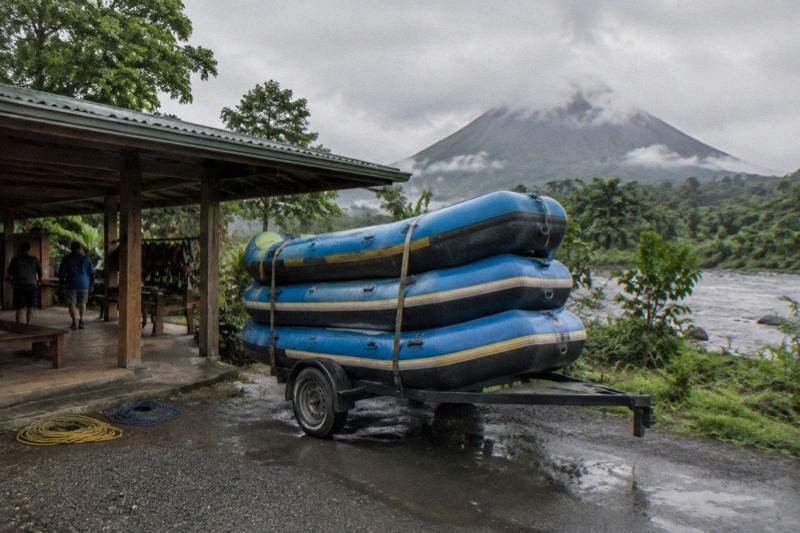
Rafting In Costa Rica During The Green Season
The green season turns the Sarapiqui River into a bigger, faster version of itself. Here is what actually changes for rafters between May and November: water levels, trip choice, cancellations, and what to pack.
Short answer
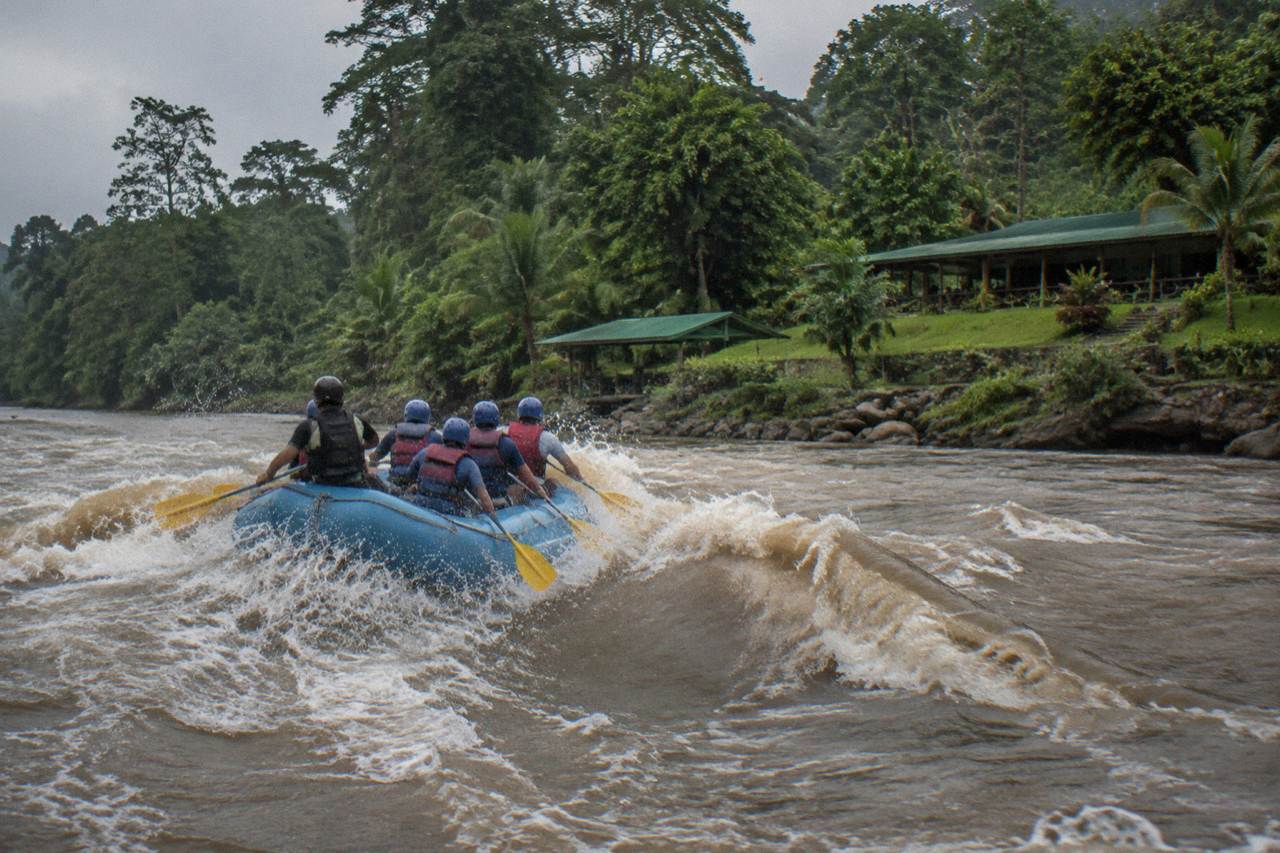
The green season runs May to November. The Sarapiqui is rain-fed with no dams, so higher flows push rapids from the dry-season Class II-III range toward Class III-IV. Trips still run most days from $85 per person, operators cancel or reroute in genuinely high water, and free cancellation is listed across the roster.
The green season is the half of the year most guidebooks quietly skip. From May through November the Sarapiqui lowlands collect about 3,464 mm of rain on 1990 to 2020 normals, and the river answers directly, because it is rain-fed with no dams holding anything back. For rafters that is not a problem to be managed. It is the whole point. Higher water means bigger waves, stronger currents, and rapids that climb a class compared with the dry months, which is exactly what the Sarapiqui River Rafting roster's Class III-IV trips are built around.
This guide covers the questions travelers visiting between May and November actually ask: whether trips still run, which listings suit the higher water, how cancellations work, and what belongs in your dry bag. Every price and rating below comes from the live listings on this site.
What Is The Green Season In Costa Rica?
The green season, also called the rainy season, runs May through November, while the dry season runs December through April. In the Sarapiqui lowlands it brings roughly 3,464 mm of rain per year, with November the wettest month at about 445 mm over 17 rainy days and April the driest at about 117 mm over 8 rainy days. Daytime air temperatures hold near 28 to 30 C year-round.
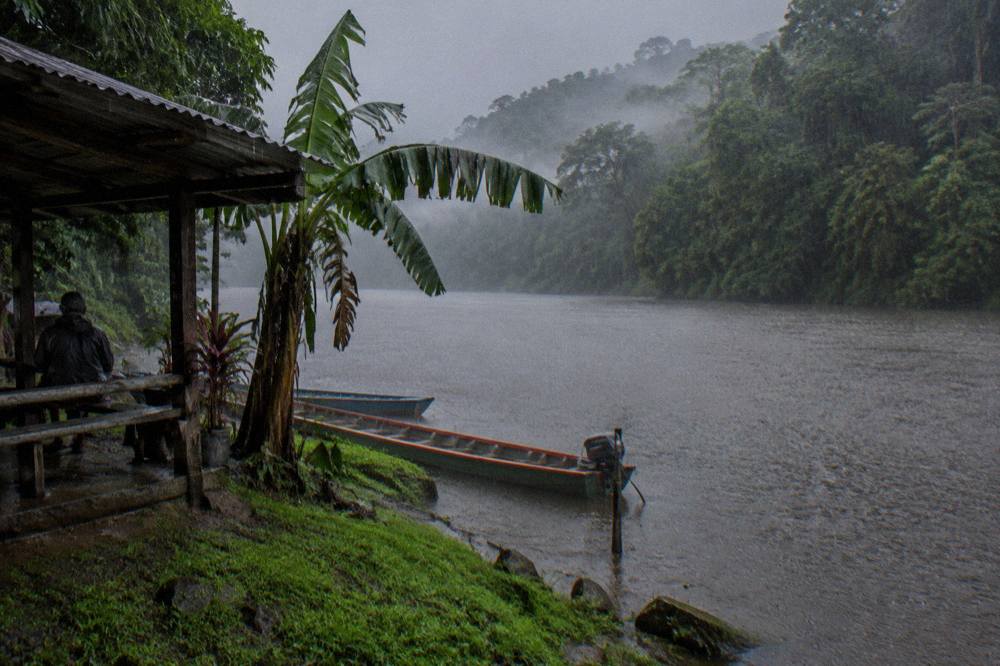
The pattern matters more than the totals. Green season days in this part of Costa Rica typically open sunny, with the rain arriving in the afternoon, so a rafting trip that starts between 7:00 and 8:30 a.m., the window most operators use, usually gets on the water before the heaviest showers. Jungle cloud and mist are common on the drive in, and everything dries fast between squalls because the air stays warm. If you're weighing how the river changes across the calendar, our month by month guide to rafting the Sarapiqui explains which stretches suit beginners and when the rapids pick up.
What the rain does to the river is the real story for paddlers. The upper Sarapiqui run that operators describe as Class II-III at lower dry-season flows can step up to Class III when the water rises, and the Jungle Run section that sits at Class III-IV in the dry months can push toward Class IV after sustained rain. Operators report these shifts plainly, and the listings on this site reflect the same split: family-friendly Class II-III trips on one side, Class III-IV trips on the other. The full picture is in Sarapiqui river levels by season.
Does Rafting On The Sarapiqui Still Run In The Green Season?
Yes. Operators run Sarapiqui trips in both seasons, and the green season is when the river is at its most powerful, with the upper run commonly reported at Class III and the Jungle Run up to Class IV. The most reviewed listing on this roster, 5.0 from 845 reviews, runs Class III-IV water from La Fortuna at from $85 per person with lunch included.
Wave Expeditions and other operators currently run Class III-IV trips with hotel pickups from La Fortuna through the green months, and the Sarapiqui Outdoor Center in La Virgen keeps both its Class II-III family trips and its Class III-IV trips active. The roster reflects this: 10 Class III-IV listings, 15 Class II-III listings, four wildlife floats, and two combos, most with free cancellation listed, which matters when weather is part of the plan.
The featured trip on this site, the Class IV run from La Fortuna, is a good example of what a green season day looks like: five hours total, from $85 per person, hotel transport for stays within about 6 km of the operator's main office, lunch, fresh fruit, towels, and a professional guide. It carries the largest review pool on the roster at 845 reviews, all of them written by people who paddled in whatever season they happened to visit.
Which Sarapiqui Trips Suit Green Season Water Best?
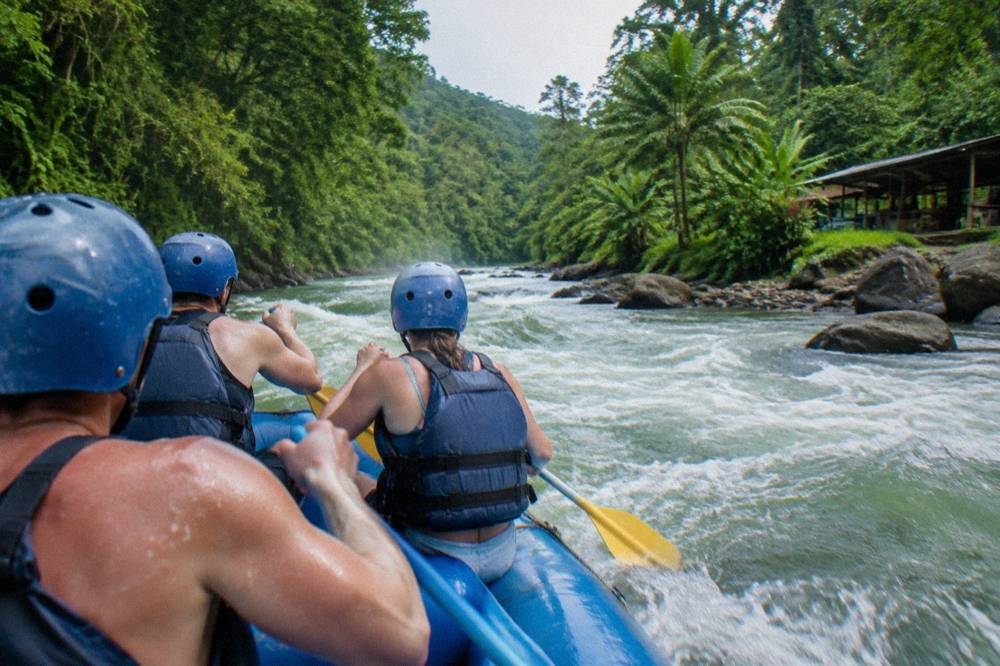
For bigger water, pick a Class III-IV listing such as the 5-hour extreme trip from La Fortuna at from $85 per person or the Jungle Run at from $123 per person, 4.9 from 29 reviews. For mixed groups, Class II-III listings from $60 per person still run, and beginners should read the first time rafting guide before choosing, since the higher flows demand more from every paddler.
The deciding factor is paddling demand. Operators' own comparisons state that the Sarapiqui's Class III-IV section requires stronger paddling than the Balsa River, which typically runs Class II-III. In green season flows that difference is amplified: waves stack closer together, currents push harder, and guide commands come faster. If anyone in your group wants big water, the Class III-IV listings below are the ones to shortlist. If the group includes kids or nervous first-timers, the family listings hold up, with the caveat that ages matter legally, covered in the age and weight limits guide and, for first-timers, in first time rafting advice.
| Listing | Class | Price | Duration | Rating | Departs |
|---|---|---|---|---|---|
| Class IV from La Fortuna | III-IV | from $85 per person | 5 hours | 5.0 from 845 reviews | La Fortuna |
| Class 3-4 Rafting, 6 Hours | III-IV | from $122.04 per person | 6 hours | 4.9 from 136 reviews | La Fortuna |
| Desafio Jungle Run, Class 3-4 | III-IV | from $123 per person | 8 hours | 4.9 from 29 reviews | La Fortuna / San Jose |
| Class 3-4 Run to San Jose | III-IV | from $122.04 per person | 8 hours | too few reviews for a rating | San Jose |
| Family Rafting Class II-III, Meal | II-III | from $85 per person | 3 hours | 4.9 from 200 reviews | La Virgen |
Two structural choices cut across the class question. Connection trips, like the Class 2-3 run from La Fortuna to San Jose at from $122.04 per person, fold the rafting into your transfer day, which saves a long drive on a rainy afternoon. And departure point matters: La Fortuna listings include hotel pickup on several lines, while La Virgen listings meet at the operator base with a van to the river, and hotel pickup excluded, so check each listing before assuming a shuttle.
Do Green Season Trips Get Cancelled For High Water?
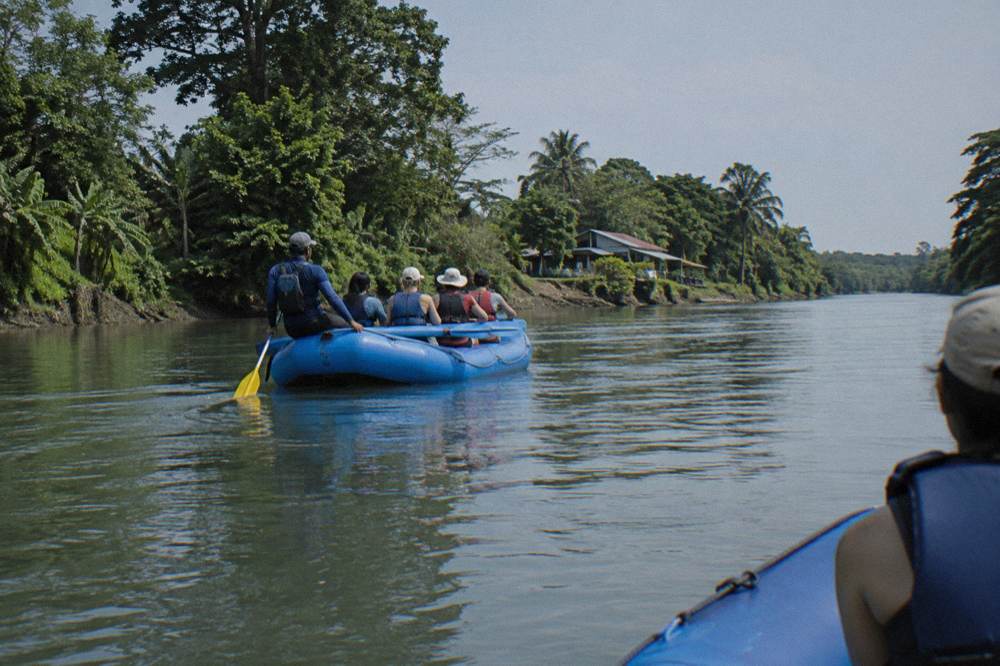
Yes, genuinely. Operators cancel or reroute Sarapiqui trips during high water events, flooding, and road closures, and green season flooding in Sarapiqui has forced evacuations and multiple closures in 2026. Every listing on this roster shows free cancellation listed, so a weather call by the operator does not cost you the fare.
The honest framing is that cancellations are rare relative to the number of trip days, but they are a real feature of a rain-fed river in the wettest months. The practical protections are already built into how these trips are sold. Free cancellation is listed on every roster line here. Operators watch river levels and Route 32 conditions, since that highway through Braulio Carrillo closes in rainy-season landslides, with detours via Route 10 through Turrialba or the Bajos de Chilamate route. If you are combining rafting with an Arenal stay, the rafting near La Fortuna guide covers how the drive changes with the weather.
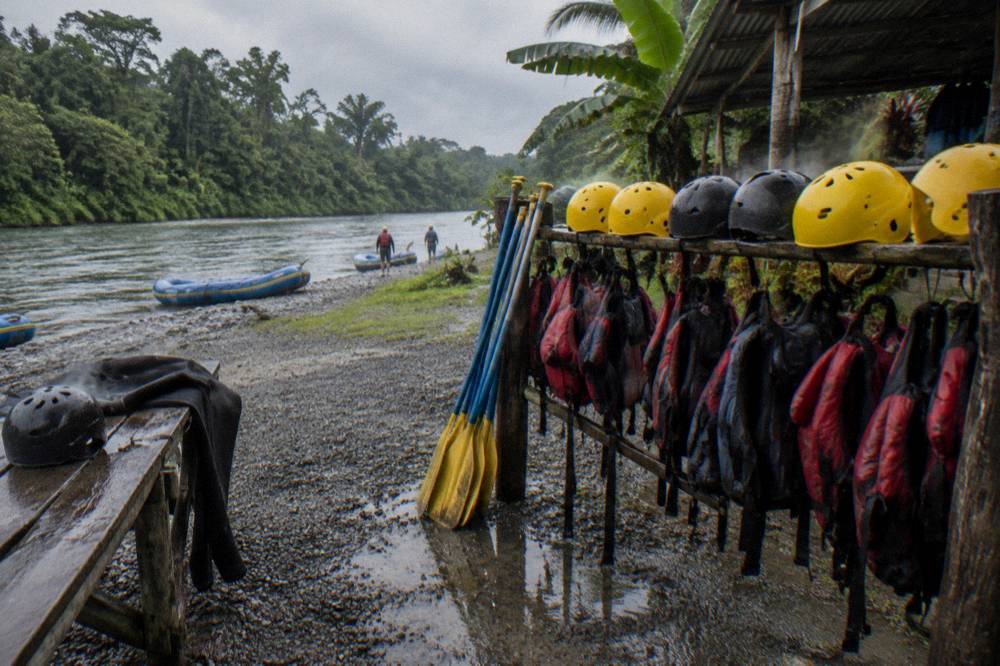
Safety rules do not bend for the season. The national rafting norm INTE G60-1:2019 requires operators to supply and verify helmets and life jackets for every participant, with specified buoyancy for Class III and above, and the guide certification norm INTE G60-2:2019 requires current swiftwater rescue, first aid, and CPR credentials. The norm is published by the national standards body at INTE. Operators must also brief participants on techniques before the trip and inform them of the minimum age for the rapid class being run.

What Should You Pack For Green Season Rafting?
Pack clothes that can get wet, secure water shoes or tennis shoes, a full change of dry clothes, sunscreen, and insect repellent, which is what operators themselves list. Add a light rain shell for the van ride, a towel where the listing does not include one, and cash for tips, commonly US$5 to 10 per person for a half-day group tour.
Operators are consistent on the basics, and the roster confirms the extras: some listings include towels, bottled water, dry bags, and fresh fruit, while others exclude them, so the gear list depends partly on which trip you book. The detailed breakdowns live in what to wear rafting and what to bring rafting. The green season additions are simple: afternoons can be wet even when the morning run was dry, changing rooms and showers appear on several listings, and everything you leave on the bus should be in something sealed.
| Item | Why It Matters In Green Season | On The Listing? |
|---|---|---|
| Clothes that can get wet | You will be soaked regardless of rain | Operators' standard advice |
| Secure shoes | Banks and rocks are slick when wet | Operators' standard advice |
| Dry change of clothes | Afternoon rain often follows a sunny put-in | Operators' standard advice |
| Towel | Included on some listings, not all | Check your listing |
| Dry bag | Included on at least one roster listing | Check your listing |
| Sunscreen and repellent | Sun breaks are real; jungle bugs are too | Operators' standard advice |
| Cash for tips | US$5-10 per person for a half day is common | Commonly reported by operators and travel sites |
Is The Green Season Cheaper Or Quieter For Sarapiqui Rafting?
Yes on crowds and often on trip pricing. Tourism sources consistently describe the May to November months as smaller crowds and lower prices, and the roster's cheapest firm-priced rafting is the 3-hour Class II-III run at from $60 per person, 5.0 from 59 reviews. Trip prices are fixed by listing, so savings show up in lodging and flights more than in the rafting fare.
The quiet is the part returning guests mention most. On the same water that draws full boats in the February peak, a September departure often means a smaller crew, more guide attention, and banks that are at their lushest. Wildlife is part of the same picture: sloths, monkeys, toucans, iguanas, caimans, and aquatic birds are commonly reported by operators and guests on these trips, especially in the calmer stretches, though no sighting can be promised on any given day. The wildlife from the raft guide covers what is realistic.
For budget planning, the table below shows the price floor and the per-person ceiling on this roster, using real listing endpoints only. The most expensive per-person product is the 2-night stay package at from $556 per person, which bundles lodging, a night walk at La Tirimbina, and a Class III rafting day.
| Budget Tier | Listing | Price | What You Get |
|---|---|---|---|
| Cheapest rafting | Budget 3-Hour Rafting, No Meal | from $60 per person | Class II-III, 3 hours, snack and towel included, 5.0 from 59 reviews |
| Mid range | Aguas Bravas Rafting, Pickup Included | from $70 per person | Class II-III, 3 hours, lunch and drinks, hotel pickup option, 4.9 from 101 reviews |
| Big water | Class 3-4 Rafting, 6 Hours | from $122.04 per person | Class III-IV, lunch, hotel pickup and drop-off, 4.9 from 136 reviews |
| Multi-day | 2-Night Stay with Rafting | from $556 per person | 3 days, 2 nights lodging, Class III rafting, night walk |
Which Month Should You Pick For A Green Season Raft?
June through October is typically the peak window for high water and the most dynamic rafting, while May and November sit at the season's edges with more variable flows. November is the wettest month at about 445 mm of rain, so book it with the most schedule flexibility, and use free cancellation listings to hold your spot.
May is the sleeper choice. Early green season rain has usually arrived but the heaviest sustained downpours often hold off, so flows rise without the flood risk that peaks late in the season, and crowds remain thin. Mid-season, roughly July through September, offers the strongest big-water rafting on the roster's Class III-IV listings, balanced against the highest chance of a reroute or a road delay. November rewards paddlers who want the river at its fullest, with the understanding that backup plans matter most then. The month-by-month detail, including what the dry months offer families, is covered in the best month for white water rafting. Rain shapes more than just the rapids, so the month by month rainy season guide for Sarapiqui is worth a read before you lock in your dates.
Whatever month you choose, book the trip that matches your group honestly: a Class III-IV listing for strong swimmers who want the full green season experience, a Class II-III listing for families, and a wildlife float for anyone whose main goal is the jungle rather than the rapids. The connection trips from San Jose or La Fortuna suit travelers using the river as a moving transfer between destinations, which is one of the more efficient green season itineraries in the country.
Families do not need to sit the season out. The family Class II-III trip from La Virgen lists a minimum age of 6, includes lunch, tropical fruit and a yucca snack, lockers, changing rooms and WiFi at the base, and carries a 4.9 rating from 200 reviews at from $85 per person. National rules put Class III legally open from age 12 and Class II-III from age 8, and operators set their own, often higher, minimums, so check the listing for your crew.
Travelers already staying in the Arenal area have a dedicated option: the Arenal day tour runs Class II-III water over 6 hours at from $96 per person with hotel pickup and drop-off included, fruit on the listing; lunch is not included. No rating is on file for it yet, so judge it on the inclusions rather than a review pool. It pairs naturally with an Arenal stay, which the green season travel guide covers for the wider trip.
For paddlers who want the biggest legal water in the roster, the 6-hour Class 3-4 trip from La Fortuna delivers hotel pickup and drop-off, lunch, a local guide, and safety equipment at from $122.04 per person, rated 4.9 from 136 reviews. Its minimum age is 15, one of the stricter lines on the roster, and it runs up to 25 guests. Photos are available to purchase, gratuities are not included.
Common Questions About Rafting In The Green Season
Is the green season good for rafting in Costa Rica?
Yes, for many paddlers it is the best time. The rain-fed Sarapiqui runs bigger water from May to November, with the upper section commonly reported at Class III and the Jungle Run up to Class IV, and June through October typically the peak for dynamic conditions. Crowds are smaller and prices outside the trips themselves are often lower.
Do Sarapiqui rafting trips get cancelled in the rainy season?
Sometimes. Operators cancel or reroute during high water events, flooding, and road closures, and green season flooding in Sarapiqui has prompted evacuations and closures in 2026. Every listing on this roster shows free cancellation listed, so an operator's weather call does not cost you the fare.
What is the cheapest green season rafting trip on the Sarapiqui?
The budget 3-hour Class II-III run from La Virgen is the cheapest firm-priced listing on this roster at from $60 per person, rated 5.0 from 59 reviews. It includes equipment, certified guides, a snack of cookies and fruit, a towel, and transport during the tour; hotel transport is excluded.
Can beginners raft Class IV rapids in the green season?
Not as a first trip on this river. Operators' own comparisons describe the Sarapiqui Class III-IV section as demanding stronger paddling than Class II-III rivers, and higher green season flows amplify that. Beginners should start with a Class II-III listing; the national norm allows Class IV only from age 12 upward in the junior tiers, with Class I-IV open from age 12 and Class I-V from age 18.
What should I wear rafting in the green season?
Clothes that can get wet and secure water shoes or tennis shoes, plus a full change of dry clothes, sunscreen, and insect repellent, which is what operators list themselves. Add a light rain shell for the van ride and a towel if your listing does not include one; several roster listings include towels, others exclude them.
Which months have the most rain in Sarapiqui?
November is the wettest month at about 445 mm of rain over 17 rainy days, and April is the driest at about 117 mm over 8 rainy days, on 1990 to 2020 normals. The green season overall runs May through November, with June through October typically the peak for high water and dynamic rafting.