Sarapiqui River Levels: How Rain Changes The Rapids
The Sarapiqui river has no dam holding it back. Every rapid you paddle is shaped by the rain that fell in the days before your trip, which means the river you read about in January is not the river you meet in October.
Short answer
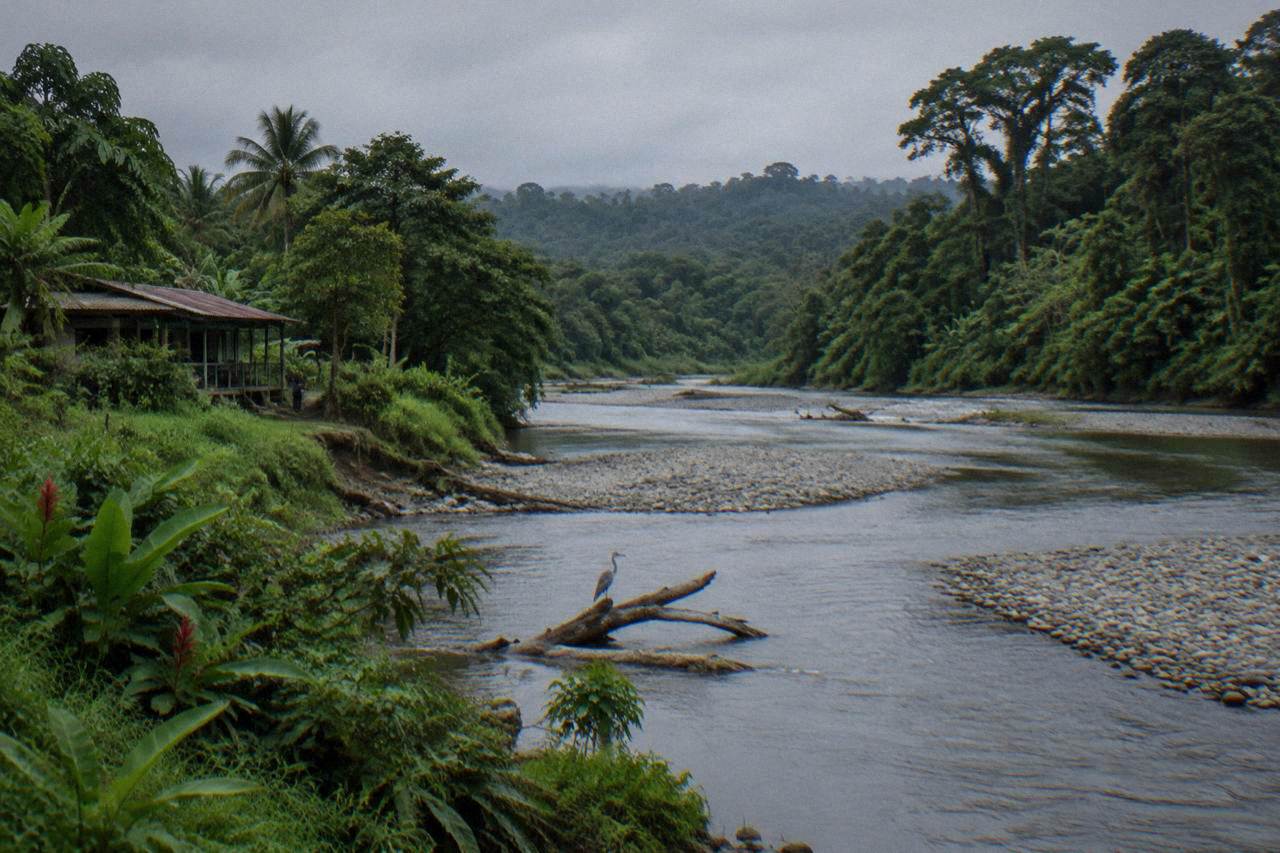
The Sarapiqui is fed by rain alone, with no dams upstream. Operators report Class II-III rapids at lower dry-season flows from December to April, and Class III to IV water in the green season from May to November. Trips are sometimes cancelled or rerouted when levels spike after heavy rain.
What Makes The Sarapiqui River Rise And Fall?
The Sarapiqui river is rain-fed and undammed, so its level moves directly with rainfall in the watershed rather than with a release schedule set by a dam operator. Operators report the river holding Class II-III character at lower dry-season flows and climbing toward Class III or IV after sustained rain. That single fact explains almost every seasonal difference on this river.
Most Costa Rica rafting rivers that travelers compare, the Pacuare included, behave the same way, but the Sarapiqui's lowland position makes the effect unusually visible. The Sarapiqui lowlands average about 3,464 mm of rain per year based on 1990 to 2020 climate normals, and the river answers each big storm within hours. There is no reservoir smoothing the peaks. What falls in the hills arrives at the rapids, and the rapids change shape because of it. If you're wondering how that day-to-day change affects difficulty, our guide to the rapid classes on Costa Rica's rivers explains which stretches stay gentle and which turn into big water.
There is also a legal reason the river stays free-flowing. Law No. 10152, passed in 2022, establishes a 25-year renewable environmental safeguard along the main channel and banks of the Sarapiqui river from its source to the San Juan river mouth, prohibiting new hydroelectric projects and new mining-extraction concessions. In practical terms, that law protects the very characteristic that makes this river interesting to rafters: water levels that belong to the weather, not to an engineering plan.
For a rafter, an undammed river cuts both ways. The good side is variety: the same section can feel like two different rivers across a year, so repeat visitors get a genuinely different trip in July than they got in March. The demanding side is unpredictability: no operator can promise you a specific rapid class on a specific date, and the listings are careful not to. Every roster trip is described by the class the operator typically runs, never a class guaranteed for your departure.
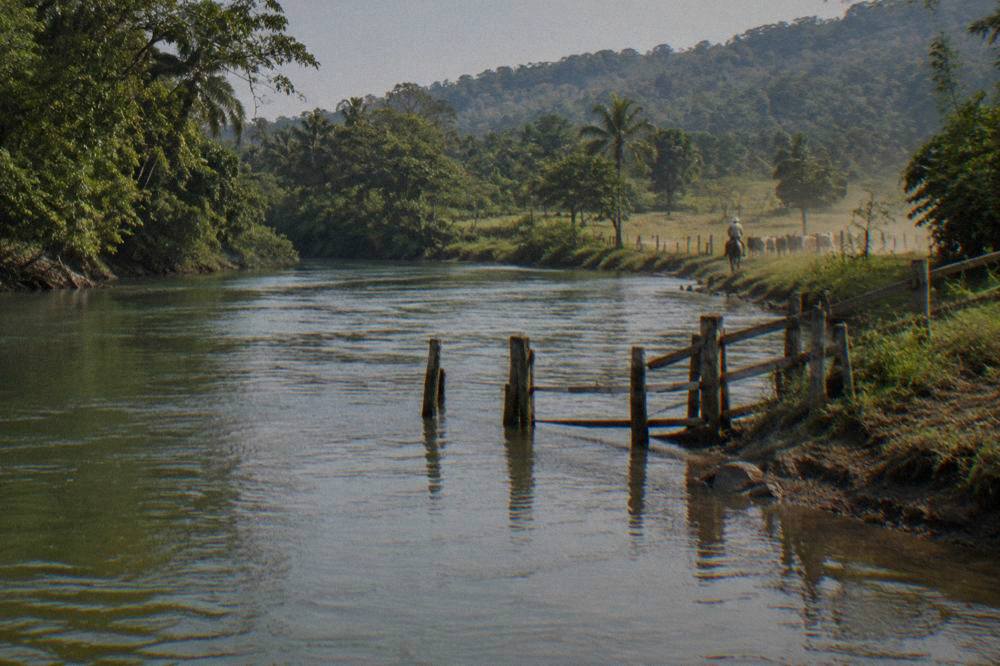
The structure of the river reflects this. Section reporting from operator descriptions describes an upper run typically rated Class II-III at lower flows and a Jungle Run section rated Class III-IV in drier conditions, with high water pushing waves bigger. Exact put-in and take-out points vary between operators and are not standardized, so treat section names as a family of runs rather than fixed markers on a map.
If you are planning around water levels rather than around a month, the two questions that matter are simple. How much rain has the watershed had recently, and how does the operator you booked with respond when the river rises past the level their trip is built for? The rest of this guide answers both, season by season.
What Rapid Class Is The Sarapiqui River In The Dry Season?
From December through April, operators report lower and more predictable flows on the Sarapiqui river, with the family-friendly section running at Class II-III and the harder section typically holding Class III-IV character. Dry-season water is the version most first-time rafters and families with children should book, because features are smaller and rescue situations rarer.
April is the driest month in the climate record, averaging roughly 117 mm of rain over about 8 rainy days, and that relative dryness is what keeps the river approachable. Rocks that sit submerged in October become visible features you can read from the raft. Waves stack up shorter. The pools between rapids stretch longer, which gives guides room to regroup, coach nervous paddlers, and point out wildlife on the banks rather than steering every second.
The Class II-III family trips shine in this window. The Family Rafting Class II-III listing from La Virgen de Sarapiqui is a 3-hour trip from $85 per person, rated 4.9 from 200 reviews, with a listed minimum age of 6, which makes it one of the few roster trips a family with young children can book with confidence. The budget 3-hour Class II-III trip from La Virgen, from $60 per person and rated 5.0 from 59 reviews, covers similar water without a stated meal. Dry season is when these listings run closest to their brochure descriptions.
Even in the dry months, the Class III-IV trips keep real teeth. Dry season softens it, but a river that can hit Class IV after rain does not become a float in March. Paddlers who want big water without big consequences often treat dry season as the time to try the harder section for the first time.
One planning note that surprises people: dry season in Costa Rica does not mean no rain. Afternoon showers still happen, especially early and late in the December to April window, and a single heavy storm upstream can lift the river for a day or two even in a dry week. Operators watch the gauge and make the call morning of; the class on your day is their decision, not the calendar's.
What Rapid Class Is The Sarapiqui River In The Green Season?
From May through November, operators report higher flows on the Sarapiqui river, with stronger currents and bigger waves pushing rapids toward Class III-IV on sections that ran gentler in dry months. June through October is typically the window for the most dynamic water. Green season trips are faster, colder-feeling in the spray, and less forgiving of passive paddling.
The climate record explains the shift. November is the wettest month in the Sarapiqui lowlands, averaging about 445 mm of rain across roughly 17 rainy days. All that water has to move through an undammed channel. Features wash out or grow, eddies disappear under the current, and the section that a family rafted in February becomes a trip with a listed minimum age of 14 or 15 on the harder listings, in line with operator policies that commonly set Class III-IV minimums between 12 and 15.
Green season rewards paddlers who want power. The Class 3-4 rafting trip from La Fortuna, 6 hours from $122.04 per person and rated 4.9 from 136 reviews, includes hotel pickup and drop-off and lunch, with a listed minimum age of 15. The Class 4 with lunch run, also from La Fortuna, is 6 hours from $122.04 per person, rated 5.0 from 29 reviews, capped at 15 guests. Both are built for exactly this kind of water: small groups, strong guides, full gear.
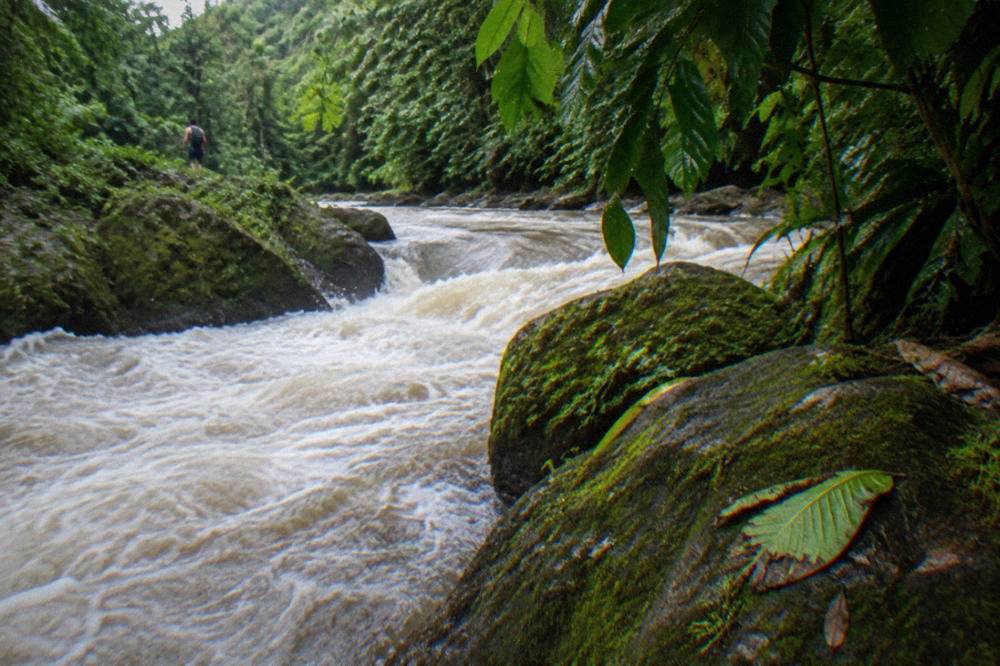
The trade-off is operational, not just physical. Green season is when trips are most likely to be cancelled or rerouted, because high water events, flooding and road closures can shut a section or a highway in a matter of hours. Booking a green-season trip means accepting that your Plan A might become a different section, a different day, or a refund. The listings on this roster all show free cancellation, which matters most in exactly these months.
There is a middle path many travelers miss. The shoulder edges of the green season, early May and late November into December, often deliver raised water without the peak-season chaos. The river is usually higher than February levels but below the post-storm spikes. Nothing about the shoulder is promised either, but statistically it sits between the two poles, and crowds are thinner than in the dry-season peak.
A quick comparison of what changes between the two seasons:
| Factor | Dry season, Dec to Apr | Green season, May to Nov |
|---|---|---|
| Typical flow character | Lower, more predictable | Higher, flash-prone after storms |
| Family section, operator-reported class | Class II-III | Class II-III stepping up in places |
| Harder section, operator-reported class | Class III-IV, features defined | Class III-IV with bigger waves, washouts possible |
| Who it suits | First-timers, families, cautious paddlers | Confident paddlers chasing big water |
| Cancellation risk | Lower | Higher after heavy rain |
How Much Rain Does Sarapiqui Get, And When?
The Sarapiqui lowlands average about 3,464 mm of rain per year based on 1990 to 2020 climate normals, with November the wettest month at roughly 445 mm over about 17 rainy days and April the driest at about 117 mm over about 8 rainy days. Month-level detail beyond those anchors is not tabulated here, and river-level forecasts are not published as fixed numbers.
What those three anchors give you is a shape, not a calendar. Rain builds steadily from December through the middle of the year, peaks late, and falls off sharply as the trade patterns shift. Daytime air temperatures barely participate in the story, holding around 28 to 30 C year-round, so the season question on this river is purely a water question, never a cold-weather one. The wider set of guides lives on Sarapiqui River Rafting.

A month-by-month rafting table built only from the verified dry/green split and the three rainfall anchors looks like this. Months between anchors are shown by their season band, not invented numbers:
| Month | Season | What the water is usually doing |
|---|---|---|
| December | Dry begins | Levels dropping off November's peak |
| January | Dry | Low, steady, family-friendly flows |
| February | Dry | Among the most predictable water of the year |
| March | Dry | Low flows, features well defined |
| April | Dry, driest month | About 117 mm of rain, about 8 rainy days, lowest water |
| May | Green begins | First sustained rises of the year |
| June to August | Green | Elevated flows, dynamic rafting commonly reported |
| September to October | Green, building | Peak big-water window often reported June to October |
| November | Green, wettest month | About 445 mm over about 17 rainy days; highest water, highest reroute risk |
Two honest caveats belong next to that table. First, rainfall in a single storm can outrun the monthly average in a day; the national meteorological institute has recorded events such as 106 mm in one day at La Virgen. Second, none of this is a river gauge forecast. Operators read the actual water on the morning of your trip, and their call overrides anything a climate table suggests.
When Do Sarapiqui Rafting Trips Get Cancelled Or Rerouted?
Operators on the Sarapiqui river cancel or reroute trips during high-water events, flooding and road closures, most often in the green season and most often with little notice. Route 32 through Braulio Carrillo is repeatedly hit by rainy-season landslides, and bridges and local roads can close during flood alerts. A cancelled trip is a safety decision, not a service failure.
The road problem is as real as the river problem. Route 32, the main San Jose to Limon highway through Braulio Carrillo, has been closed repeatedly by landslides during heavy rain, with detours running via Route 10 through Turrialba or the Bajos de Chilamate to Vuelta de Kooper routing. Route 126 over Vara Blanca is a common alternate but is limited to light vehicles, steep and curvy with fog risk in rain. If you are coming from San Jose, the drive to the Sarapiqui area is roughly 1 hour 30 minutes in good conditions, and a closure can double it or force a reroute.
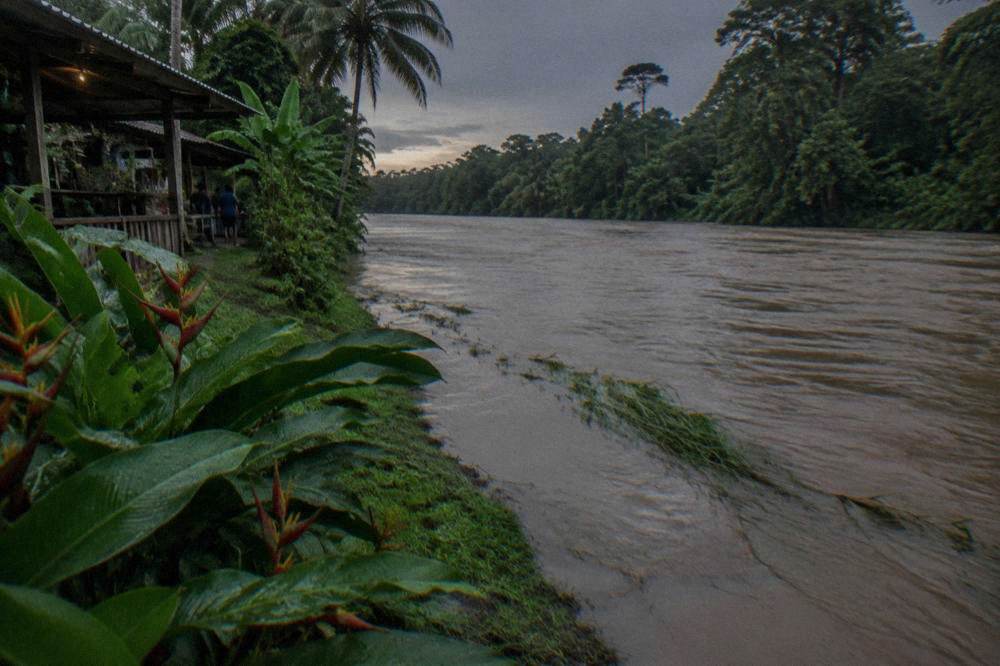
Flood events in the Sarapiqui area have been serious enough to displace hundreds of people into shelters in recent green seasons, with road and bridge closures repeatedly reported. No operator runs commercial rafts into that kind of water. High brown water carries debris, hides features and overwhelms the standard Class III-IV playbook; the national rafting norm requires operators to manage risk, and the professional answer to a flooded river is to not run it.
Practically, here is how cancellations tend to play out on the listings this site carries:
| Situation | What usually happens | Your protection |
|---|---|---|
| River above the trip's safe level | Trip cancelled, moved to another day, or rerouted to a gentler or different section | Free cancellation is listed across the roster |
| Road closure blocks access | Departure rescheduled or rerouted via an alternate route | Operator contacts you; confirm contact details at booking |
| Storm passing through | Short delay, sometimes a later start time | Typical start times run 7:00 to 8:30 a.m., so decisions come early |
| Sustained flooding | Multi-day suspension of the affected section | Rebook in drier weeks, or take a wildlife float option instead |
That last row deserves a note. When whitewater is off the table, the gentle options come into their own. The 3-hour Wildlife Safari Float from La Virgen, from $90 per person with a listed minimum age of 4, and the Jungle Safari Float from La Fortuna, 6 hours from $92.66 per person and rated 5.0 from 23 reviews, run on calmer water. Even these trips yield to genuinely flooded conditions, but they tolerate far more weather than a Class IV run. Wildlife along the banks, sloths, monkeys, toucans, iguanas, caimans and aquatic birds, is commonly reported by operators and guests on these floats, never promised.
Booking tactics matter more in green season. Book early in your stay rather than on your last day, so a cancellation leaves room to retry. Keep your phone reachable the evening before. And read the cancellation terms on the operator's live listing before you pay, because the details of rebooking windows live there, not in any guide.
Which Sarapiqui Trip Fits Which Season And Skill Level?
Match the trip to the water and the paddlers, not to a single best month. Families and first-timers should target the December to April window and the Class II-III listings from $60 to $85 per person. Confident paddlers after big water should book the Class III-IV listings, from $85 to $122.04 per person on this roster, for the green-season peak from June through October.
The cheapest firm-priced family listing on the roster is the 3-hour Class II-III trip from La Virgen at from $60 per person, rated 5.0 from 59 reviews, with transport during the tour included but no hotel pickup and no stated meal. At the other end of the family bracket, the 3-hour Family Rafting Adventure from the same area is from $85 per person, rated 4.9 from 200 reviews, with lunch, tropical fruit and yucca snack, lockers, changing rooms and a listed minimum age of 6, up to 24 guests.
For paddlers based in La Fortuna, the seasonal logic is the same but the logistics shift. The drive from La Fortuna to the Puerto Viejo de Sarapiqui area is about 1 hour to 1 hour 10 minutes, so a La Fortuna departure turns a rafting day into a comfortable half or three-quarter day. The 2.5-hour whitewater trip with snacks, from $72 per person with a listed minimum age of 8, includes round-trip transportation, all safety equipment, dry bags, a fresh fruit buffet, snacks and insurance coverage (lunch is excluded), a compact package for a first taste of moving water.
Travelers combining San Jose and La Fortuna have a clever option that the seasons favor differently. The connection listings run the river in the middle of a transfer between the two, such as the Class II-III run from $105 per person over 10 hours, rated 4.0 from 20 reviews, with round-trip transport from selected San Jose hotels and a traditional Costa Rican lunch included. In dry season this is an easy paddle-and-drive day; in green season the same trip carries more water and more schedule risk.
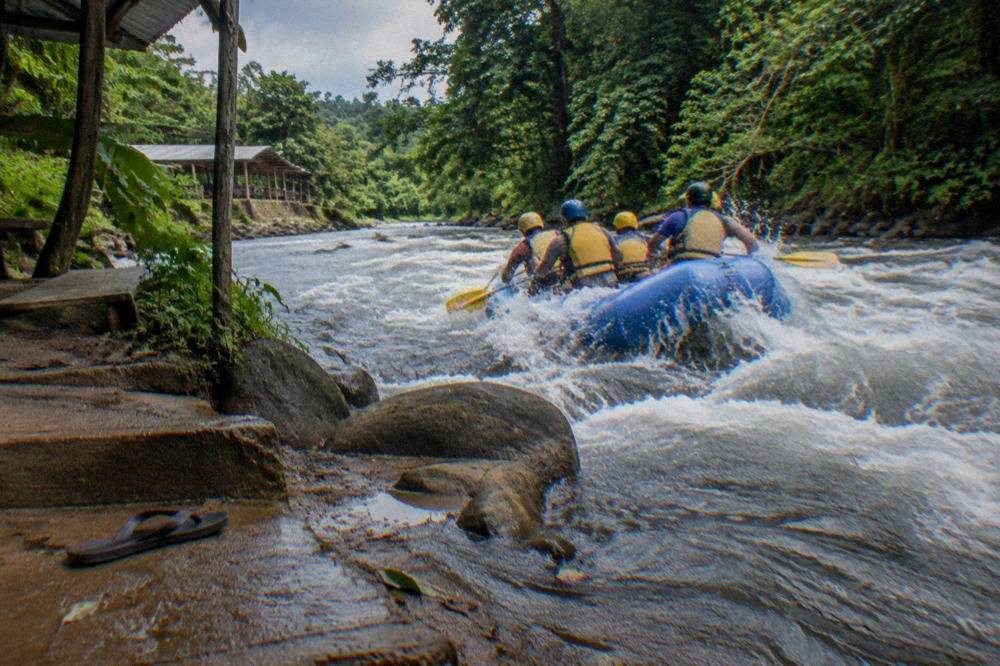
A framework for choosing, built strictly from the roster:
| You are | Season to pick | Roster fit |
|---|---|---|
| Family with children 6 and over | Dry, Dec to Apr | Family Rafting Class II-III, from $85, 3 hours, meal listed |
| Budget first-timer | Dry to early green | Budget 3-Hour Class II-III, from $60, no meal stated |
| La Fortuna visitor, short on time | Either season | 2.5-Hour trip with snacks, from $72, minimum age 8 listed |
| Confident paddler chasing waves | Green peak, Jun to Oct | Class IV from La Fortuna, from $85, 5.0 from 845 reviews |
| Small-group big-water paddler | Green peak | Class 4 with lunch, from $122.04, up to 15 guests |
Afternoon departures are worth a separate word, because they interact with the daily rain rhythm. Green season typically brings sunny mornings and afternoon showers, and the afternoon Class 2-3 trip from La Fortuna, 5 hours from $92.66 per person and rated 4.8 from 39 reviews with lunch included, is the roster's dedicated option for that pattern. You paddle while day-trippers from the capital are already heading home, on water that has had all morning to settle after any overnight rain.
Whatever you choose, the featured Class IV listing from La Fortuna remains the most reviewed trip on this roster at 5.0 from 845 reviews, from $85 per person over 5 hours with hotel transport included within about 6 km of the operator's main office and lunch listed. Its profile, big-water capable in the green season, defined and friendly in the dry, makes it the single listing that best spans the whole year. For a deeper look at the gentle side of the river, see the family float comparison; for the harder water, the Class III-IV rapids guide covers it in detail.
What Should You Check On The Listing Before Booking?
Before booking any Sarapiqui trip, check the listing's stated minimum age against your group, confirm whether hotel pickup is included for your departure area, read the free-cancellation terms, and note what the listing says about high-water reroutes. Costa Rica's national norm sets age floors by rapid class, and operators often set higher minimums of their own.
The legal floor matters more than most travelers realize. The national technical norm for rafting, INTE G60-1:2019, sets minimum participant ages by rapid class: under 5 no class at all, ages 5 to 7 Class I and II only, ages 8 to 11 up to Class III, ages 12 to 17 up to Class IV, and 18 and over up to Class V. The same norm obliges operators to supply and verify helmets and life jackets for every participant. Guide certification, covering rafting, swiftwater rescue and current first aid and CPR, is set by the companion norm INTE G60-2:2019 and the adventure-tourism regulation, which requires ICT-credentialed or approved guides.
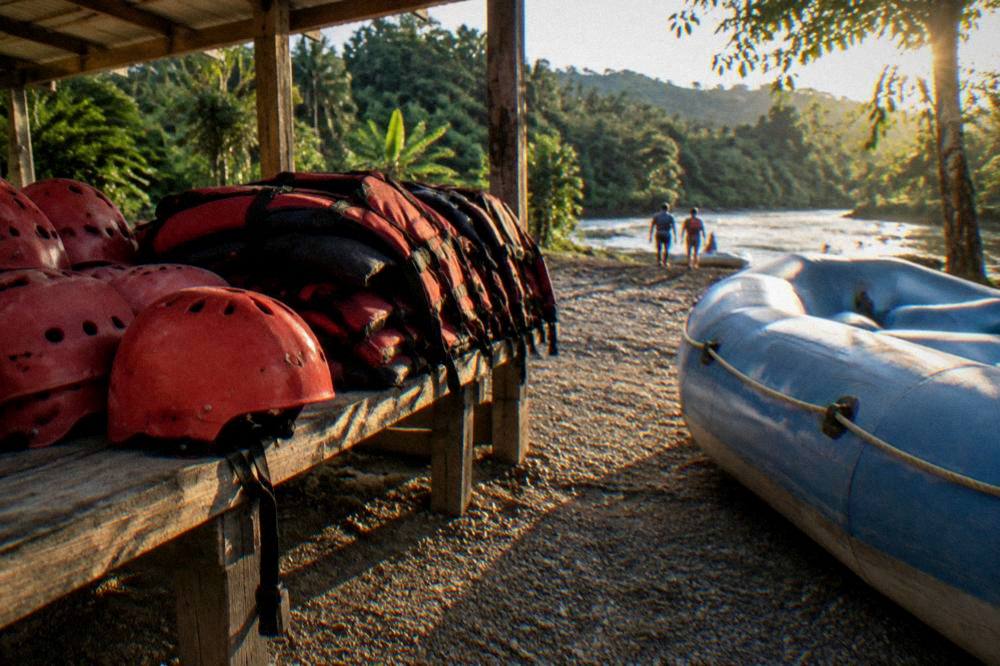
Above that legal floor, each listing sets its own bar, and the roster reflects the spread. The Class III-IV extreme trip from La Virgen carries a listed minimum age of 14; the Class 3-4 trip from La Fortuna lists 15; the premium Class III-IV day lists 12. On the family side, the La Virgen family trip lists 6 and the 2.5-hour trip with snacks lists 8. Where a roster line shows no minimum age, check the listing before assuming your child can join. Operator policies also commonly include swimming ability, physical-condition requirements and weight limits, and those vary by operator rather than being fixed in the national norm.
Season shapes what to ask, too. In dry season, ask which section the trip runs and whether recent levels have changed it. In green season, ask what the operator does when the river rises: reroute, reschedule, or refund, and by when in the morning the decision is made. Any listing's live booking page states its current terms, and the answers to those two questions tell you more about your day than any star rating.
A short pre-booking checklist:
| Check | Why it matters | Where to look |
|---|---|---|
| Stated minimum age | Legal floor by class, operator floors often higher | The listing's own details |
| Hotel pickup inclusion | Varies by departure area; some meet at the operator base | The listing's transport section |
| Cancellation and reroute terms | Green-season trips are the most affected | The live listing's policy |
| Meal and gear inclusions | Ranges from snack-only to full lunch and equipment | The inclusions list |
| Group size cap | Runs from 15 to 50 guests across the roster | The listing's details |
The national parks and reserves around the river pair well with a rafting day, though their fees are not printed here because sources conflict. Braulio Carrillo National Park is reported open daily 8:00 a.m. to 3:30 p.m., and Tirimbina Biological Reserve, with hanging bridges over the Sarapiqui river and trails, is reported open daily 7:00 a.m. to 5:00 p.m. Pairing a rafting morning with a reserve afternoon is the classic Sarapiqui day; the things to do guide lays out the full options, and the rainy season travel guide covers the broader green-season picture.
Common Questions About Sarapiqui River Levels
Does the Sarapiqui river run year-round?
Operators run trips in both seasons, but the river is rain-fed and undammed, so flow and rapid class vary with rainfall. No operator or listing promises a specific class on a specific date, and trips are cancelled or rerouted when water rises too high.
What class are the rapids in dry season?
From December to April, operators report lower, more predictable flows, with the family section typically at Class II-III and the harder section holding Class III-IV character with smaller, more defined waves.
What class are the rapids in the green season?
From May to November, higher flows bring stronger currents and bigger waves, pushing the harder sections toward the top of the Class III-IV range. June through October is typically the most dynamic window.
When is the Sarapiqui river most likely to flood?
November is the wettest month in the climate record, averaging about 445 mm of rain over about 17 rainy days, and green-season flood events in the Sarapiqui area have displaced hundreds of people into shelters in recent years. High water is exactly when operators suspend or reroute trips.
Will my trip be cancelled if it rains?
Not necessarily. A passing shower rarely stops a trip; sustained heavy rain in the watershed can. Operators decide on the morning of the trip based on actual levels, and the listings on this roster show free cancellation.
Which month has the lowest water?
April is the driest month on record, averaging about 117 mm of rain over about 8 rainy days. January through March are similarly low and steady, which is why the family Class II-III listings are busiest then.