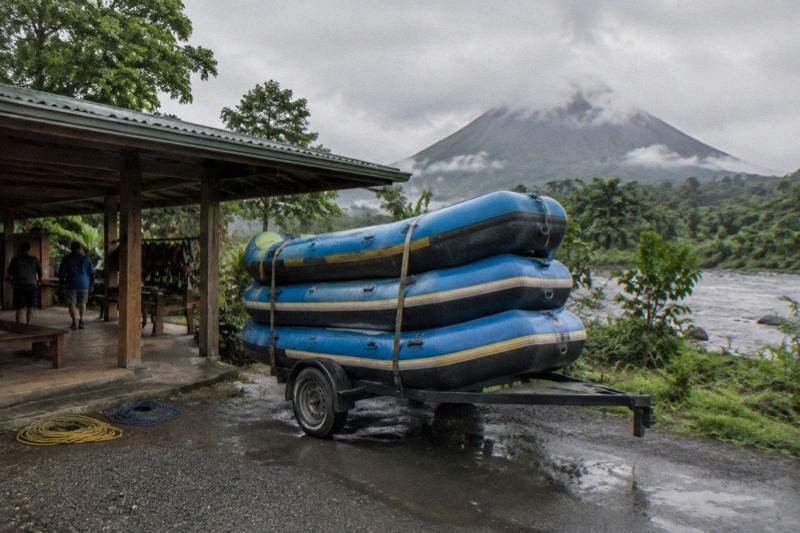
What To Bring Rafting In Costa Rica
A rafting day on the Sarapiqui is a wet, splashy, sun-exposed few hours wrapped in jungle transport, and almost everything you need fits in one small bag if you pack it right. Here is what to bring, what to wear, what the operator already hands you, and what should never leave the van.
Short answer
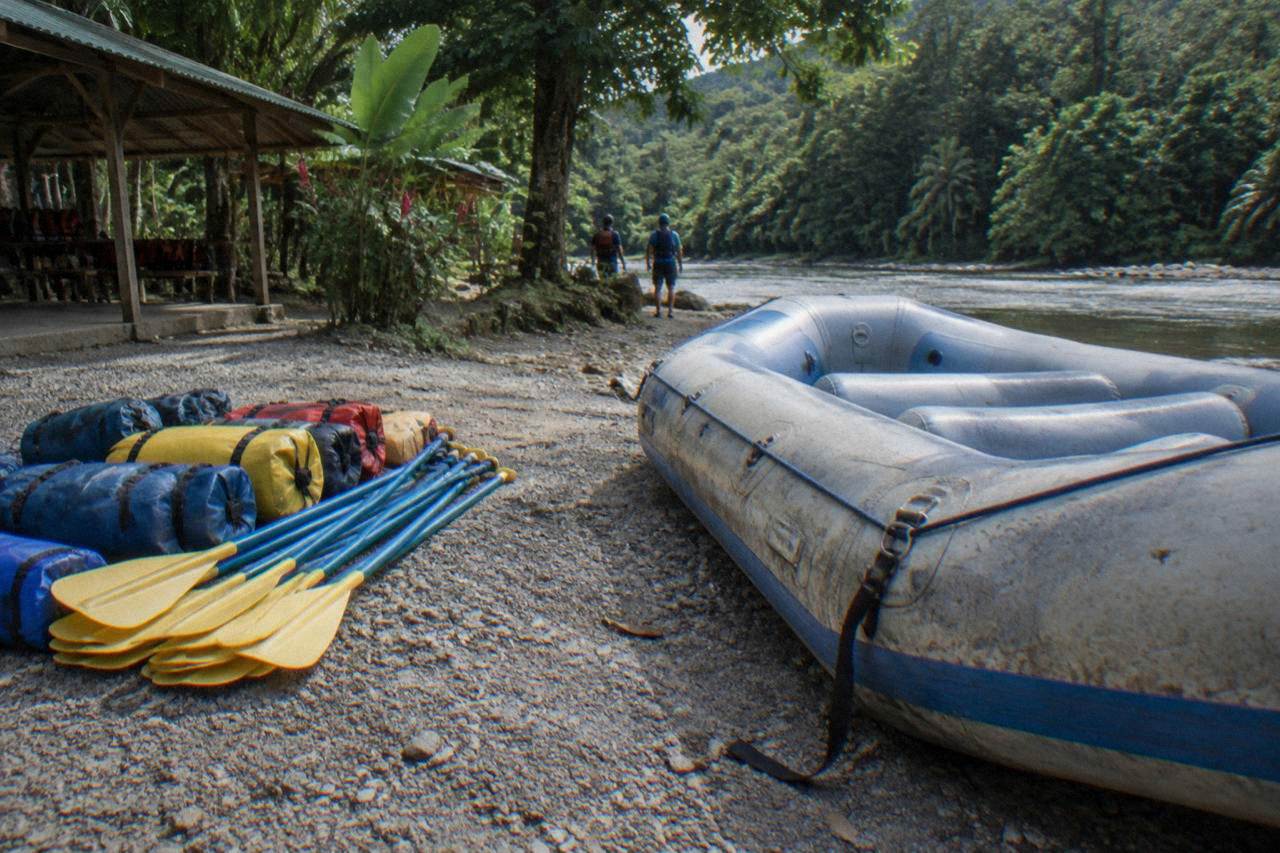
Bring a swimsuit or quick-dry clothes, secure shoes, sunscreen, insect repellent, a change of dry clothes, a towel and a small amount of cash for tips and photos. Operators supply helmets, life jackets, paddles and usually fruit snacks and lunch. Expect to pay from $60 to $122 per person on Sarapiqui listings, with free cancellation listed across the roster.
The Sarapiqui is a rain-fed river with no dams, which means every trip on it is a wet one: splash, paddle spray, and often a full-body dunk in the bigger waves. What you carry decides whether that is a great morning or a soggy afternoon in a van with a dead phone. The packing problem is small, roughly one daypack per person, but the details matter more here than on most day trips because everything you take to the raft either gets wet, gets lost, or gets left on a bus.
What Should You Bring Rafting On The Sarapiqui River?
For a Sarapiqui rafting day, bring a swimsuit or quick-dry base layer, secure water shoes, sunscreen, insect repellent, a towel, a full change of dry clothes for after the trip, and a small amount of cash for tips and souvenir photos. Operators supply the helmet, life jacket, paddle and raft, and most listings include a tropical fruit snack, so food and technical gear stay home.
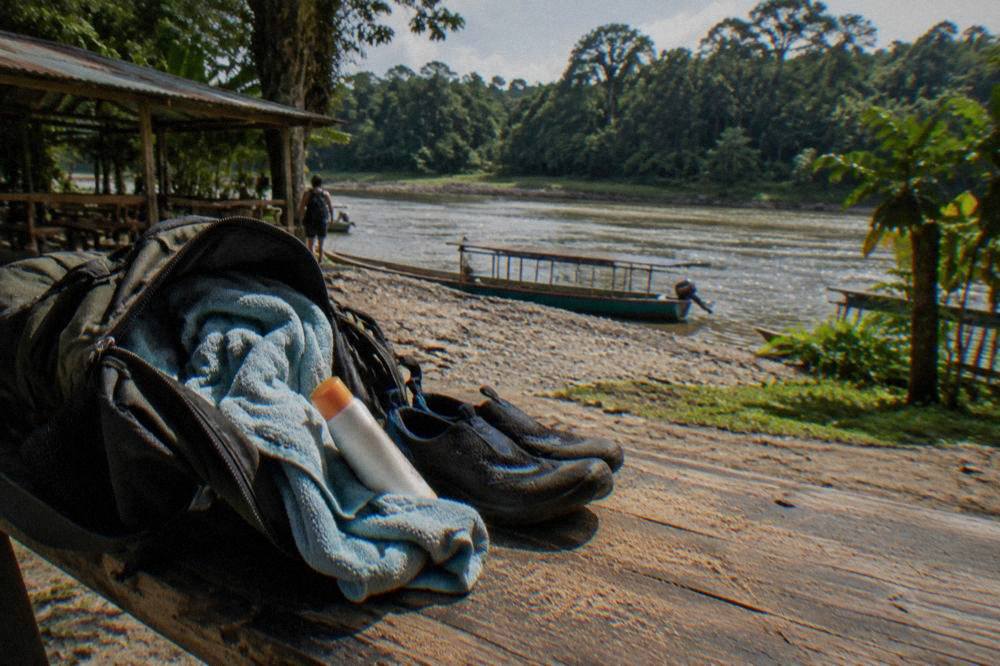
The core list is short because the operators carry the heavy equipment. Every listing on this site's roster includes safety equipment, and the listings describe specifics: the family Class II-III trip out of La Virgen de Sarapiqui lists helmets, life jackets and paddles alongside lockers, changing rooms and WiFi at the base, while the budget three-hour rafting from $60 per person lists all equipment plus a towel and a snack of cookies and fruit. Advice on what to wear and carry is consistent across operator pages: clothes that can get wet, secure footwear, dry clothes for after, sunscreen and repellent.
| Item | Why | Notes |
|---|---|---|
| Swimsuit or quick-dry shirt and shorts | Base layer gets soaked | Cotton stays wet and heavy, skip it |
| Secure water shoes or old trainers | Rocky banks and slippery entries | Flip flops come off in rapids |
| Sunscreen | Sun exposure on open water | Reapply before the put-in |
| Insect repellent | Jungle banks, especially green season | Apply at calm stretches |
| Towel | Changing at the base afterward | Several listings include one, but bring your own to be sure |
| Full change of dry clothes | The ride back after the trip | Many bases have changing rooms |
| Small cash | Tips and souvenir photos | Tipping norms below |
| Strap or retainer for glasses | Waves pull eyewear off | Not supplied by operators |
One item deserves a special note: whatever you plan to actually take on the raft, from medication to a camera, needs a waterproof plan. The rest of this guide covers that, along with the cash question and what stays in the van. For the clothing half of the question in more depth, the rafting clothing guide for Costa Rica goes fabric by fabric.
How Do You Keep Things Dry On A Sarapiqui Rafting Trip?
Keep gear dry by leaving everything non-essential at the base or in the van, and sealing the rest in a dry bag. One Sarapiqui listing includes dry bags in its inclusions, several more supply lockers at the operator base, and souvenir photos are usually sold at the end, so you do not need your own camera on the water at all.
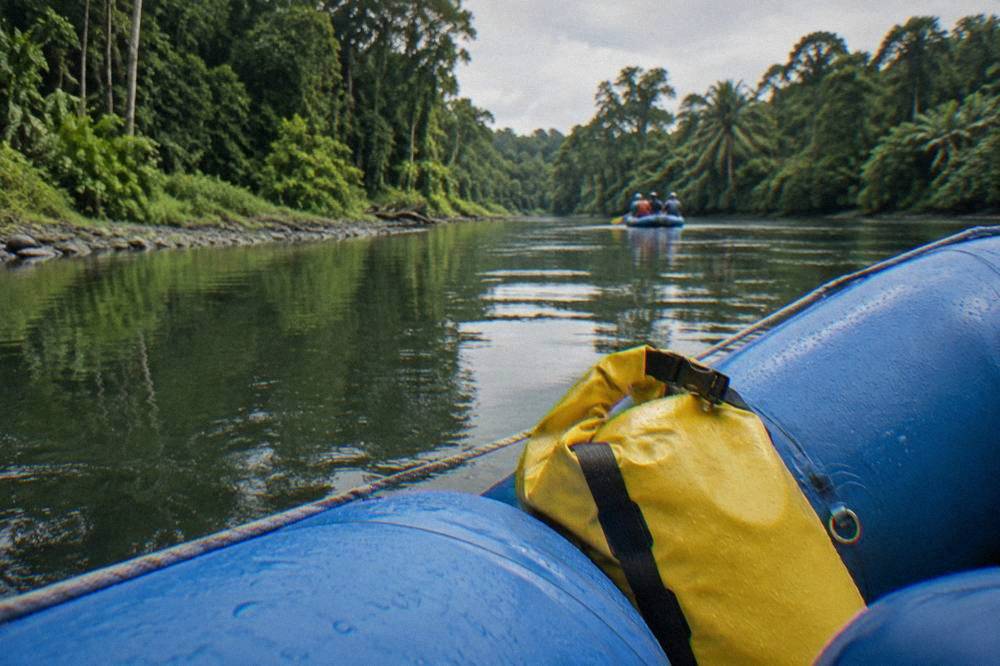
The honest answer to waterproofing is that most people should bring almost nothing onto the raft. The 2.5-hour whitewater trip with snacks lists dry bags among its inclusions, and the Sarapiqui Outdoor Center listings out of La Virgen include secure lockers, changing rooms and a private parking lot, which covers the standard plan: drive to the base, change, lock the bag, raft, come back wet and dry off. If you must carry something, a phone in a sealed pouch inside a rented or included dry bag is the baseline, and a leash for glasses is cheap insurance.
Photos are where travelers most often make the wrong call. Multiple listings on the roster name souvenir photos as a paid extra at the end of the trip, the most reviewed Class IV trip from La Fortuna lists photos as available for purchase, and one wildlife float listing prices photos at $35 as an add-on. Buying the operator's photos keeps your own electronics dry and usually produces better frames anyway, since the photographer is facing you.
If you are comparing which trip style fits how you travel, this selection spans the range:
The featured trip in that band, the Class IV run from La Fortuna with 5.0 from 845 reviews, is the most reviewed listing on the river and includes towels, bottled water and fresh fruit in its inclusions, so the dry-clothes burden on that one is lighter: what you mainly need is the change of clothes for the drive back.
What Should You Wear On The River In Costa Rica?
Wear a swimsuit or quick-dry shorts and a rash guard or synthetic tee, secure water shoes, and a hat with a strap if you want sun cover. Avoid cotton, jeans, flip flops and anything you would be upset to lose, because a Sarapiqui trip means repeated soaking and air temperatures that typically sit around 28 to 30 C year-round.
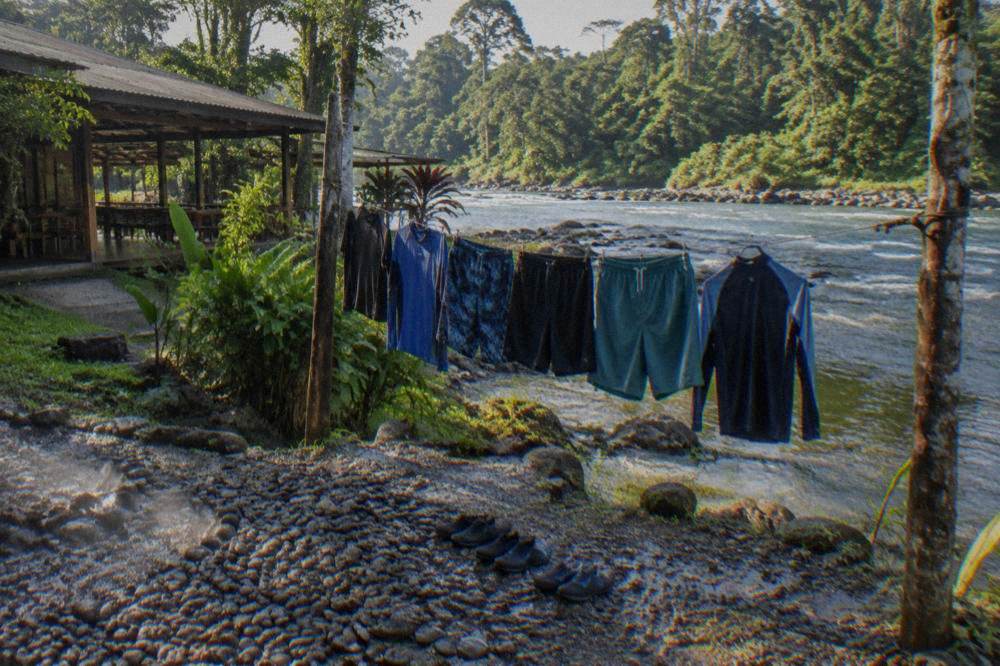
Daytime air temperatures in the Sarapiqui lowlands run about 28 to 30 degrees across the calendar, so the clothing problem is not cold, it is sun and abrasion. A synthetic layer protects shoulders from UV on the calmer stretches and from the paddle handle on the busy ones. Footwear matters most at the start and finish: banks and rocks are slick, and the walk from the van to the raft is rarely a lawn. The Class III-IV trips in particular involve harder paddling, and the verified comparisons describe the Sarapiqui Class III-IV section as more demanding than the Balsa, so clothes that let you move matter more as the class rises.
| Wear | Do not wear |
|---|---|
| Swimsuit or quick-dry shorts | Cotton t-shirts and jeans |
| Rash guard or synthetic top | Anything loose that tangles |
| Water shoes, strap sandals or old trainers | Flip flops, bare feet |
| Hat with a chin strap | Unstrapped caps |
| Sunglasses with a retainer | Contact lenses if avoidable |
| Surf shorts over swimwear | Jewelry and watches |
Two clothing details depend on the season, and they interact with the river's character: in the dry season from December to April flows are lower and the run reads Class II-III, while green season water from May to November pushes sections toward Class III-IV. The guide to Sarapiqui river levels and rapid class by season covers that in full.
Do You Need Cash On A Sarapiqui Rafting Tour?
Bring a modest amount of cash for guide tips and souvenir photos, because those are the two moments on a rafting day where cards are unreliable. Operators and travel sites commonly report tipping of US$5 to $10 per person for a half-day group tour and US$10 to $20 per person for a full day, and private guides often receive 10 to 15 percent of the tour price.
Cash is a small item with an outsized role in how the day ends. Gratuities are named as an exclusion on several roster listings, including the La Virgen Class II-III and Class III-IV trips, which is the operator's way of saying the tip is expected to come from you directly. Photos sold at the end of the run are usually paid on the spot too. Beyond those two moments, you should not need cash for the trip itself, prices on the roster run from $60 per person for the budget three-hour rafting up to $122.04 for the longer Class III-IV runs from La Fortuna, and payment happens on the listing when you book. The colón is the official currency and US dollars are widely accepted, so either works for tips.
For a fuller breakdown of what each price tier includes and excludes, from lunch to hotel pickup, the Sarapiqui rafting cost and inclusions guide compares the roster line by line.
After cash, the next question is usually about what happens to the bag you did bring.
What Should You Leave In The Van At La Virgen De Sarapiqui?
Leave passports, flight tickets, laptops, large cameras, jewelry and spare bank cards in the van or a base locker, and carry nothing on the raft you cannot afford to lose. Every roster trip is a shared run with up to 24, 36 or even 50 guests depending on the listing, and on a moving raft, loose valuables simply are not trackable.
Group sizes explain the rule better than any warning label. The family Class II-III listing out of La Virgen takes up to 24 guests, the mid-price three-hour rafting from Chilamate takes up to 36, and the most reviewed Class IV trip from La Fortuna runs up to 50 guests in a departure. With that many people, paddles, spray and a swamped raft or two across a season, the operator cannot safeguard your pockets. Bases help where they can: the La Virgen listings include lockers, changing rooms and WiFi, so the pattern that works is documents and dry clothes in the locker, one sealed pouch on the water, nothing else.
Passports deserve a direct mention. Operators do not need your original passport on the river, and replacing a waterlogged passport abroad is a trip-ender. Check the official Costa Rica tourism and immigration pages for current entry rules rather than carrying documents you will not need on the water.
What Does The Operator Already Provide On Sarapiqui Trips?
Every listing on the roster includes safety equipment, meaning helmet, life jacket and paddle, and the national rafting norm requires operators to supply and verify helmets and personal flotation devices for every participant. Most listings add a tropical fruit snack, many include lunch, and several include transport to and from the river, towels, and even bottled water and WiFi at the base.
This is where the packing list shrinks. The requirement is not courtesy, it is regulation: the Costa Rican national technical norm for rafting mandates that operators provide and verify helmets meeting rafting standards and PFDs with specified buoyancy for every participant, as published in the INTE G60-1:2019 norm document. Guides, meanwhile, must hold certification in rafting and swiftwater rescue with current first aid and CPR under the companion guide norm.
| Usually provided by the listing | Bring yourself |
|---|---|
| Helmet, life jacket, paddle | Swimsuit and quick-dry layers |
| Certified guide and safety briefing | Secure footwear |
| Transport from base to river and back | Sunscreen and repellent |
| Tropical fruit snack | Towel and dry clothes |
| Lunch on many listings | Cash for tips and photos |
| Lockers and changing rooms at some bases | Sealed pouch for keys or medication |
Read your own listing's inclusions line before packing, because the spread is real. The Aguas Bravas listing from Chilamate at from $70 per person is unusually generous, listing lunch and drinks, a fresh fruit buffet and internal transport in its inclusions, while the budget rafting at from $60 includes equipment, guides, a snack and a towel but not hotel transport. Same river, different bags.
What Should Kids Bring For Class II-III Family Rafting?
For children on a family Class II-III run, bring the same wet kit in small sizes plus a dry spare set, extra sunscreen, and their own towel, since sizes at the base cannot be assumed. The family listing from La Virgen sets a minimum age of 6, and national rules open Class III water to children only from age 8, so check ages against both the listing and the rule before you pack.
The age structure comes straight from the national norm: participants 5 to 7 may raft Class I and II only, ages 8 to 11 may raft up to Class III, and ages 12 to 17 up to Class IV. The family rafting listing at from $85 per person states a minimum age of 6, which fits its Class II-III rating, while the extreme Class III and IV listing from the same base sets its minimum at 14. Operators can and do set limits above the legal floor, so the listing is the final word for the trip you book. The full picture, including weight limits where operators state them, is in the rafting age and weight limits guide.
| For kids | Notes |
|---|---|
| Quick-dry swim layers, spare set | Kids get cold faster on the ride back |
| Own towel | Listing towels are adult-sized, when included |
| Strapped hat and sunscreen | Sun sits directly overhead mid-trip |
| Snack tolerance for fruit | Listings commonly serve fruit and yucca |
| Motion-sickness check for the van ride | Transport to the river is part of the day |
Does What You Bring Change Between Dry And Green Season?
Yes: in the green season from May to November add a light rain layer for the van ride, more repellent and a genuine dry set of clothes for after, while in the dry season from December to April the sun side of the list matters more. November averages about 445 mm of rain over roughly 17 rainy days and April about 117 mm over 8, so the weather burden nearly quadruples across the year.
The Sarapiqui lowlands average about 3,464 mm of rain a year based on 1990 to 2020 data, and almost none of it falls evenly. Green season trips run higher water, which operators describe as pushing sections toward Class III-IV with bigger waves, and the practical packing differences are a rain shell for transport, sealed bags rather than open ones, and lower expectations for anything drying outdoors. Dry season water reads Class II-III and the sun is the main adversary. Operator descriptions of the undammed, rain-fed river are consistent on this point: the class you meet on the day moves with the water.

Trips do get cancelled or rerouted in genuinely high water, flooding or road closure events, as operators state plainly, so a charged phone with your booking confirmation accessible offline belongs on the bring list in the green season more than any single clothing item. Route 32 landslides in heavy rain are commonly reported and can reshape the drive from San Jose, which takes about 1 hour 30 minutes in normal conditions.
One last seasonal footnote: if your rafting day is part of a La Fortuna stay, the Class III-IV trips departing there with hotel pickup listed, including the 6-hour run at from $122.04 per person, fold your logistics into the pickup, leaving your bag problem limited to the items on this list. For pairing the trip with rainforest walks, the Sarapiqui wildlife from the raft guide and the month-by-month Sarapiqui weather and rainfall guide complete the picture, and everything on this page sits inside the planning frame of Sarapiqui River Rafting.
Common Questions About What To Bring Rafting
What should you bring rafting in Costa Rica?
A swimsuit or quick-dry layers, secure water shoes, sunscreen, insect repellent, a towel, a full change of dry clothes, and cash for tips and photos. The operator supplies the helmet, life jacket, paddle and raft, and most listings add a fruit snack and often lunch.
Do you need water shoes for the Sarapiqui River?
Secure footwear is strongly advised. Banks and entry points are rocky and slick, and flip flops come off in rapids. Water shoes, strap sandals or old trainers all work; several listings include a towel but none include shoes.
Should you bring a phone on the raft?
Only in a sealed waterproof pouch, and ideally inside a dry bag. One listing includes dry bags, and bases at La Virgen offer lockers, but the safer plan is to buy the operator's souvenir photos, which several listings sell at the end of the trip.
How much cash should you bring for tipping?
Operators and travel sites commonly report US$5 to $10 per person for a half-day group tour and US$10 to $20 per person for a full day, with private guides often receiving 10 to 15 percent of the tour price. Gratuities are listed as an exclusion on several Sarapiqui trips.
Does the operator provide food and water?
Mostly yes. Listings commonly include a tropical fruit snack, many include lunch, and some include bottled water and towels. The inclusions line varies by listing, from the Chilamate trip that lists lunch, drinks and a fruit buffet to the budget run that lists a snack and towel only, so read your own listing before packing food.
What should you leave behind on a rafting day?
Passports, spare cards, laptops, jewelry and large cameras stay in the van or a base locker. Departures run from 18 to 50 guests depending on the listing, so nothing carried loose on the raft can be kept track of, and operators name photos and tips as paid extras rather than safeguarding valuables.