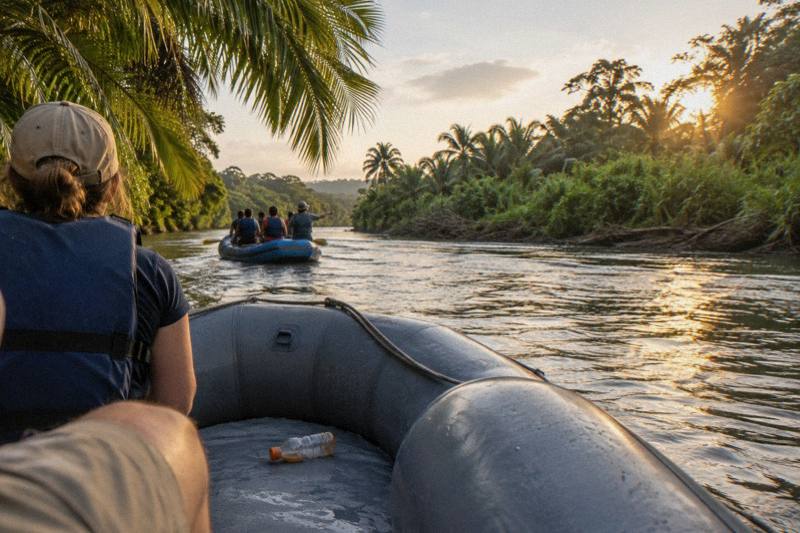
Sarapiqui River Wildlife You Can See From The Raft
The Sarapiqui River runs through one of Costa Rica's richest lowland rainforest corridors, and the trips on it sell that scenery as much as the rapids. Here is what guests and operators actually report seeing from the water, and which trips fit a wildlife-first day.
Short answer
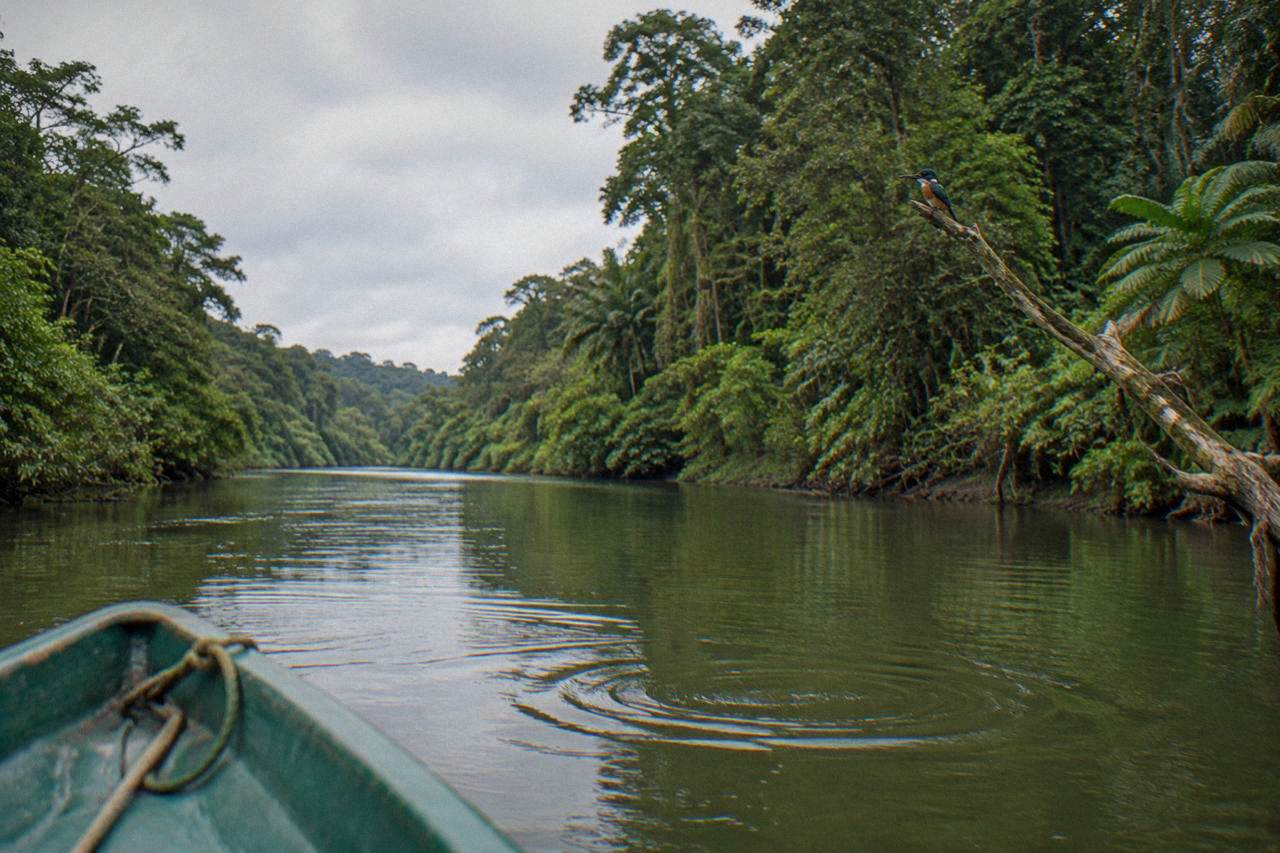
Sarapiqui trips commonly report sloths, monkeys, toucans, iguanas, caimans and aquatic birds along the banks, mostly on the gentle float and safari trips rather than the paddling-heavy Class III-IV runs. Dry season, December to April, brings lower, calmer water; the green season brings denser forest. No sighting is ever promised.
The Sarapiqui River drains some of the wettest lowland rainforest in Costa Rica, roughly 3,464 mm of rain a year on the 1990 to 2020 normals, and that water budget is why the corridor is so green and so full of animals. Trips on the river pass forest edges, farms and quiet backwaters for much of their route, which puts birds, reptiles and mammals within view of the raft. Operators and guests commonly report sloths, monkeys, toucans, iguanas, caimans and aquatic birds on these trips, and this guide lays out honestly where, when and on which listing those reports cluster.
Wildlife is part of what these trips sell, and it is worth being clear about how the sales language works. No operator on this river can promise a sloth or a toucan on any given morning. What the listings can do, and what the better ones do, is put you on a slow, quiet boat at the hours animals are active, with a guide who knows where the regulars hang out. The difference between a wildlife float and a Class IV paddle is the difference between looking around and hanging on.
What Animals Do Guests See On The Sarapiqui River?
Guests and operators on Sarapiqui trips commonly report sloths, howler and capuchin monkeys, toucans, iguanas, caimans and aquatic birds such as herons and kingfishers along the banks, with sightings concentrated in the slow sections and on the dedicated float trips. None of these is promised on any listing, and counts or sighting rates are never published by any operator on this river.
The reports come from two different kinds of trip. On the gentle safari floats, the boat drifts and the guide's job includes scanning the trees; on the whitewater runs, most of your attention goes to paddling, and the animals you notice are the ones in the calm stretches between rapids. The wildlife float category on this site, four listings, exists precisely because there is demand for the quiet version. The most reviewed float is the Jungle Safari Float on Sarapiqui River from La Fortuna, rated 5.0 from 23 reviews, from $92.66 per person, 6 hours with lunch and snacks included.
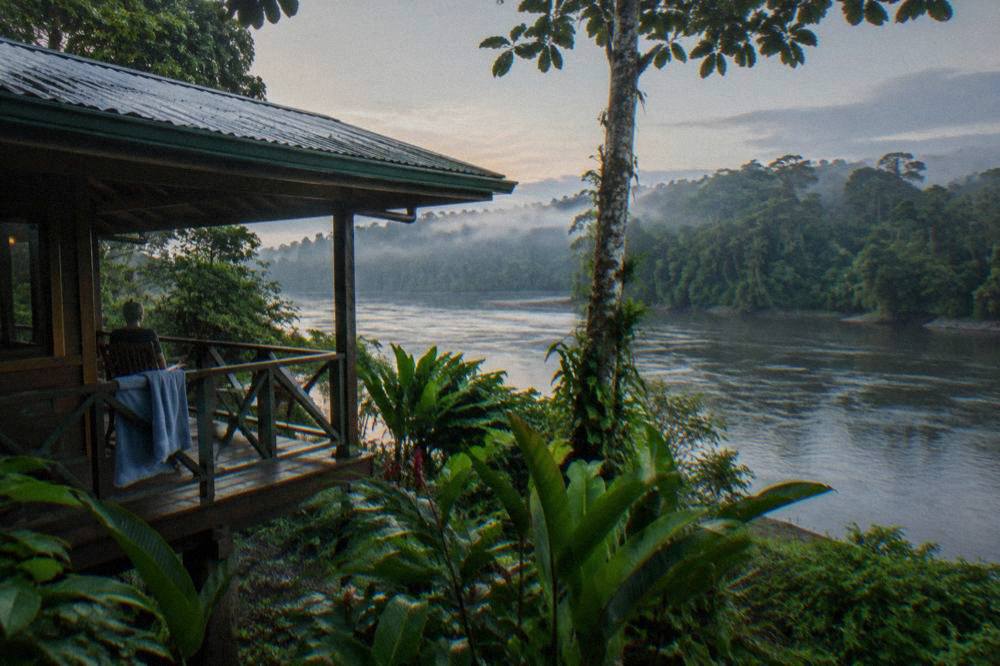
What makes the Sarapiqui corridor productive is the mix. The river borders farmland in places, and edges, where forest meets open ground, are where howler monkeys sit in plain view and iguanas sun on horizontal branches over the water. Kingfishers work the whole river. Caimans are reported in the slower, deeper pockets. Toucans move through the canopy in small groups, more often heard than seen until the guide picks them out. Sloths are the prize sighting and also the easiest to miss, since a motionless ball of fur high in a cecropia tree looks, to an untrained eye, like a termite nest.
The context around the river matters too. The Sarapiqui basin sits beside Braulio Carrillo National Park, which SINAC lists as open daily 8:00 a.m. to 3:30 p.m., and near two research reserves, La Selva Biological Station and Tirimbina. Tirimbina's hanging bridges, open daily 7:00 a.m. to 5:00 p.m. per its own site, even cross the Sarapiqui itself. A day that pairs a morning float with an afternoon walk at one of the reserves covers both the river view of the forest and the inside of it, a pairing covered in more depth in Tirimbina And La Selva With A Rafting Day.
| Commonly reported | Where on the river | Which trip type |
|---|---|---|
| Sloths | High canopy, slow sections | Float and safari trips |
| Howler and capuchin monkeys | Forest edges, overhanging trees | All trip types, mostly floats |
| Toucans | Canopy, often in groups | Floats and calm stretches |
| Iguanas | Sunning branches near banks | All trip types |
| Caimans | Slow, deep water pockets | Float trips |
| Herons and kingfishers | Whole river, especially quiet water | All trip types |
Which Sarapiqui Trip Is Best For Wildlife?
The float and safari listings are the wildlife trips: the Jungle Safari Float from La Fortuna, the 3-Hour Wildlife Safari Float from La Virgen de Sarapiqui, the Desafio Jungle Safari Float and the float ending in San Jose. The Class II-III family trips offer a mix of easy rapids and calm watching water; the Class III-IV runs are adrenaline-first and wildlife is incidental.
The distinction is not marketing, it is boat speed and attention. A drift or slow paddle lets the guide stop, point and wait; a Class IV run does not. That said, the family Class II-III trips split the difference well. The Family Rafting Adventure Class II-III, rated 4.9 from 200 reviews, from $85 per person, 3 hours, takes guests as young as 6, and its route mixes splashy water with flat stretches where guides routinely point out wildlife. Families trying to please both a thrill-seeking ten-year-old and a birding parent do well here.
The pure wildlife options differ mainly in logistics. The 3-Hour Wildlife Safari Float departs the Sarapiqui Outdoor Center in La Virgen de Sarapiqui, from $90 per person, minimum age 4, up to 50 guests, with lunch, a fruit and yucca snack, and a sugar cane tour listed; hotel pickup is excluded, the center is the meeting point and transport to the river start and back is included. It has too few reviews for a star claim, 3 reviews on file. The Desafio Jungle Safari Float from La Fortuna, from $91 per person, 6 to 8 hours, lists hotel pickup and drop-off, a traditional Casado lunch and Costa Rican coffee, but no rating is on file. The float ending in San Jose, from $122 per person, 8 hours, doubles as a transfer between La Fortuna and the capital.
For readers already committed to whitewater, the most reviewed trip on the whole roster is the Sarapiqui River Extreme White Water Rafting Class IV, rated 5.0 from 845 reviews, from $85 per person, 5 hours with lunch, hotel pickup listed for hotels within about 6 km of the La Fortuna office. Guests on it report wildlife too, in the intervals, but nobody should book it as a wildlife tour. If you want both animals and adrenaline across two days, pair a Class IV morning with an afternoon float, or read First Time Rafting In Costa Rica for how the intensity ladder works.
| Listing | Type | Price (from) | Duration | Wildlife angle |
|---|---|---|---|---|
| Jungle Safari Float from La Fortuna | Float | $92.66 per person | 6 hours | Dedicated safari, lunch included |
| Wildlife Safari Float (La Virgen) | Float | $90 per person | 3 hours | Shortest dedicated safari, sugar cane tour |
| Desafio Jungle Safari Float | Float | $91 per person | 6-8 hours | Hotel pickup listed, Casado lunch |
| Family Rafting Class II-III | Class II-III | $85 per person | 3 hours | Easy rapids plus calm watching water |
| Extreme Class III-IV from La Fortuna | Class III-IV | $85 per person | 5 hours | Incidental wildlife, adrenaline first |
When Is The Best Season For Wildlife On The Sarapiqui?
Dry season, December to April, is the easier watching window: lower and more predictable flows, calmer water, and the driest month is April at about 117 mm of rain over roughly 8 rainy days. Green season, May to November, brings denser, lusher forest and fewer crowds, but November alone averages about 445 mm over 17 rainy days, and trips can be cancelled or rerouted in high water.
The seasonal trade-off is real and often overstated. Animals do not leave in the green season; the forest is at its most productive and the cover is thickest, which cuts both ways for viewing. What changes more visibly is the river itself. The Sarapiqui is rain-fed with no dams, so its level tracks rainfall directly: operators report Class II-III character at lower dry-season flows and pushes toward Class III or IV after heavy rain. On a float this barely registers. On a family Class II-III trip it can mean a sportier day than the label suggests, a dynamic explained fully in Sarapiqui River Levels And Rapid Class By Season.
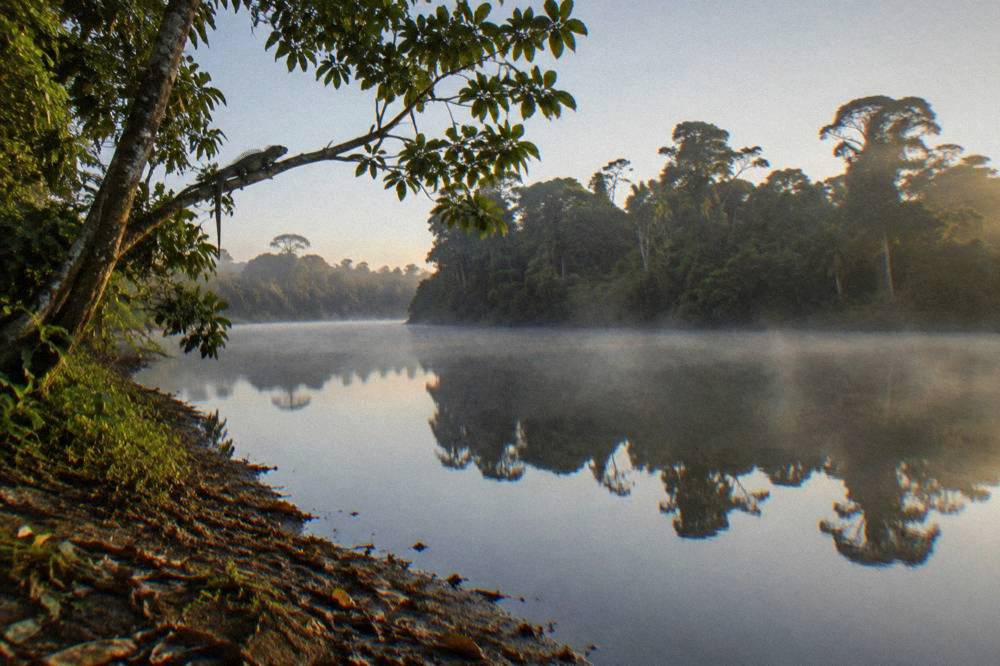
Timing within the day matters as much as the month. Listings across the roster typically start between 7:00 and 8:30 a.m., which is not a rafting-industry quirk, it is the window when the forest is loudest and most active before the day heats up. Daytime air temperatures run about 28 to 30 C year-round here, and by midday many mammals tuck into shade. A morning float puts you on the water inside the good hours; the Wildlife Safari Float's 3-hour format does this especially well for travelers with an afternoon drive ahead.

One planning note specific to this valley: green-season flooding is a genuine thing here, not a remote risk. Trips are cancelled or rerouted during high water events, flooding, or road closures, and Route 32 through Braulio Carrillo is repeatedly closed in rainy-season landslides, with Route 126 via Vara Blanca as a lighter-vehicle alternative. Every listing on the roster that states a cancellation policy lists free cancellation, which is the protection that matters if a storm reshapes your week. Check road status the day before any San Jose departure.
Can You See Wildlife On A Whitewater Trip Too?
Yes, guests on the Class II-III family trips and even the Class III-IV runs regularly report monkeys, iguanas and birds in the calm stretches, but the share of your attention available for watching shrinks as the rapids grow. On a Class IV run, wildlife is a bonus between paddle commands, not the product.
The family-tier listings make this concrete. The Budget 3-Hour Rafting, Class II-III from La Virgen, rated 5.0 from 59 reviews, from $60 per person, is the cheapest firm-priced listing on the roster and includes a snack of cookies and fruit plus a towel; its route shares the same forest as the floats. The Aguas Bravas rafting from Chilamate, rated 4.9 from 101 reviews, from $70 per person, lists hotel pickup options in Sarapiqui and a fresh fruit buffet with lunch, and the Chilamate stretch is one of the wilder-feeling corridors on the river. Neither is sold as a safari, and both deliver the banks at a pace slow enough to look around.
The lesson from comparing the listings is simple: match the boat to your priority. If the trip exists so a eight-year-old can shout at monkeys, book a float or the Class II-III family run. If the trip exists so a teenager can shout at rapids, book the Class III-IV run and treat the toucans as a free extra. Travelers torn between the two often settle the question with the age rules, which the national rafting norm sets by rapid class: 8 to 11 year olds are permitted Class I to III, 12 to 17 Class I to IV, per the national technical norm INTE G60-1:2019. Operators can and do set higher minimums, so check the listing, a fuller explanation lives in Rafting Age And Weight Limits In Costa Rica.
Where Else Nearby Can You See Sarapiqui Wildlife?
The strongest pairings with a river day are La Selva Biological Station, which reports guided walks at $44 per person for 3 hours and $55 for 6 hours, and Tirimbina Biological Reserve, open daily 7:00 a.m. to 5:00 p.m. with hanging bridges over the Sarapiqui and chocolate tours. Braulio Carrillo National Park, open daily 8:00 a.m. to 3:30 p.m., sits up the slope toward San Jose.
La Selva, run by the Organization for Tropical Studies, is the serious option: old-growth forest, research trails and guides who identify birds by call at distance. The rates above are what the station itself reports for its regular-season guided walks, and the walks book out, so reserve ahead. Tirimbina is the easier add-on from La Virgen, close enough to visit between a morning float and dinner, and its bridges give a canopy-level view of the same forest you saw from the water. The Sarapiqui River Rafting site's own town guide covers where to stay near both, in Puerto Viejo De Sarapiqui Town Guide.
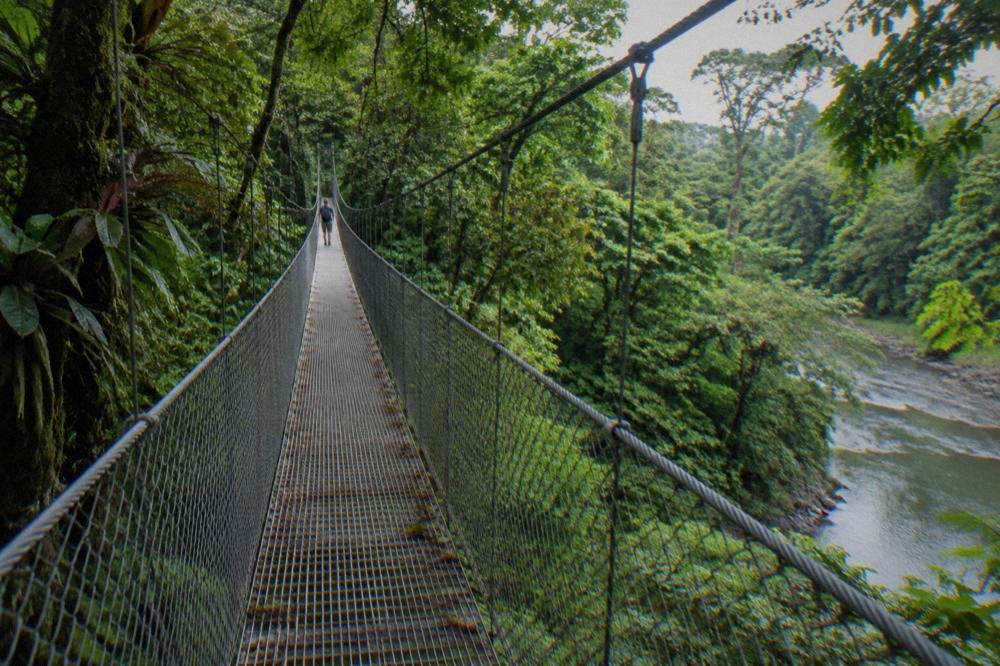
There is also a protection story worth knowing, because it explains why this corridor stays wild. Costa Rica's Law No. 10152 of 2022 established a 25-year renewable environmental safeguard along the main channel and banks of the Sarapiqui from source to the San Juan River mouth, prohibiting new hydroelectric projects and new mining-extraction concessions on the river. An undammed, un-dredged river with forested banks is precisely the habitat the animals on your float depend on, and the law is why the character of the river, the same rain-fed variability that moves rapid classes between seasons, should persist.
What Should You Bring To Actually See The Animals?
Bring binoculars if you own them, a dry bag or dry case for a phone camera, reef-safe sunscreen and insect repellent, quick-dry clothes and secure shoes that can get wet, plus a dry change of clothes for after the trip. Almost every listing on the roster supplies the rafting gear, helmet, paddle and life jacket, and most supply fruit or snacks; optics are never supplied.
The gear lists on the listings are consistent on what they include and consistent, by omission, on what they do not. The Jungle Safari Float from La Fortuna includes lunch, snacks, helmet, life jacket, raft and paddle, and transport in an air-conditioned vehicle. What no listing includes is anything for looking at animals. A cheap pair of 8x binoculars transforms a float; without them, a sloth at 40 meters is a smudge. Cameras survive rafting trips only inside a dry bag, and several listings note photos as a paid extra, the operator's photographer shoots the rapids, not the wildlife.
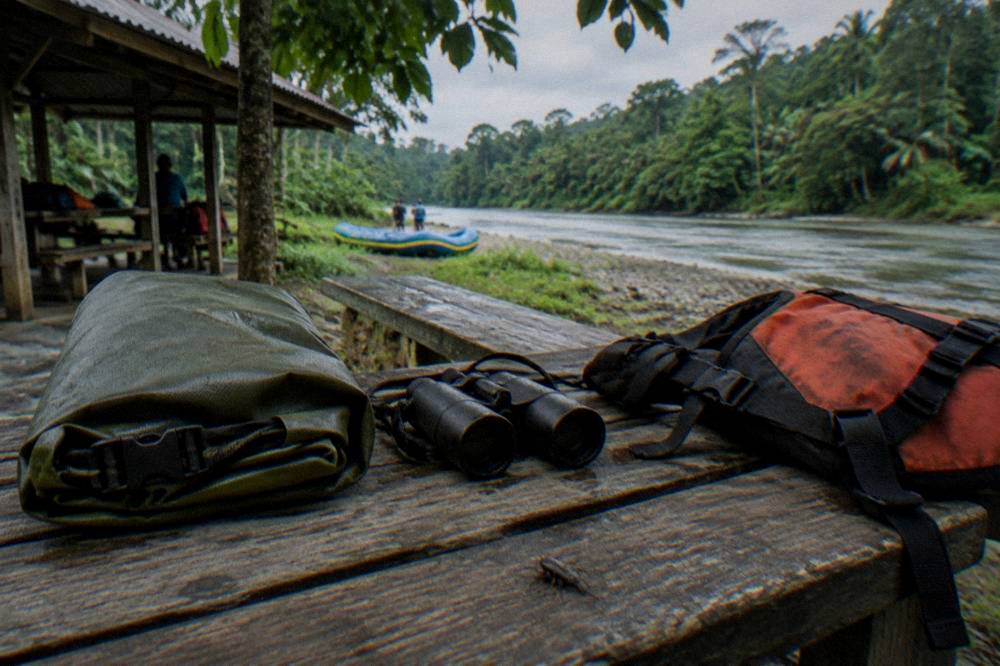
Clothing choice matters more than people expect, both for comfort and for not scaring the forest. Bright whites and loud colors do you no favors on a quiet drift; muted tones help. Clothes that can get wet are required, this is a river, and secure shoes rather than flip-flops, the same advice that applies to every trip on the roster and is broken down item by item in What To Wear Rafting In Costa Rica and What To Bring Rafting In Costa Rica.
A last practical point: tell the guide wildlife matters to you. Guides rotate between trip types, and on a float with a quiet group the guide will often linger at a known sloth tree or a roosting owl that a louder boat would paddle straight past. It costs nothing to say it at the put-in, and on this river it regularly changes what the day delivers.
How Does Sarapiqui Wildlife Compare To Other Costa Rica Rivers?
The verified comparisons are limited and honest: the Pacuare is Class III-IV with a remote gorge and a longer drive from La Fortuna, the Balsa River is typically Class II-III and gentler than the Sarapiqui's Class III-IV section, and Reventazon lower sections run Class II-III or III. No verified comparison of wildlife volume between rivers exists, and no other river has listings on this site.
The truth is that wildlife comparison between Costa Rica rivers is mostly anecdote, and this guide will not invent a ranking. What can be said is structural. The Sarapiqui's float sections border research-grade lowland rainforest with the two reserves and the national park upstream, and its dry-season birding reputation in the town of La Virgen is real in the sense that birders come here specifically for it. The Pacuare gorge is spectacular but narrower and faster, with less slow-water watching. The Balsa, covered in Sarapiqui Vs Balsa River Rafting, is the mellower family alternative closer to La Fortuna. For the river-by-river layout, see Sarapiqui Vs Pacuare Rafting.
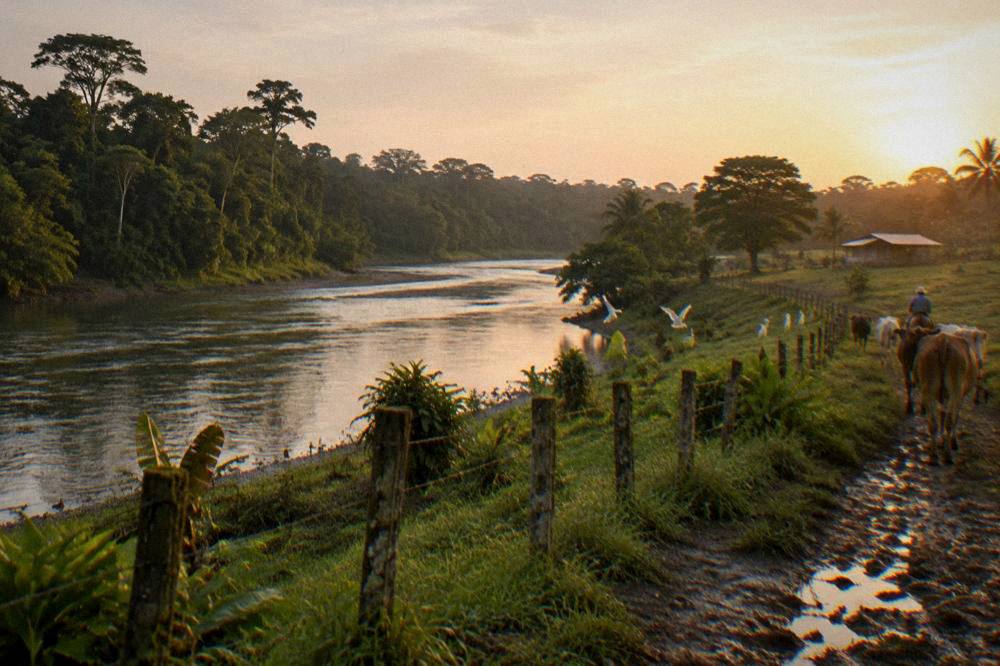
Since every bookable trip on this site is on the Sarapiqui, the practical comparison is between its own sections and seasons, not between rivers. Morning float in April, wildlife first. Morning Class IV in July, adrenaline first with animals as garnish. Same river, same forest, entirely different days, and both are honestly sold as exactly what they are.
| River | Typical character | Wildlife watching | Drive from La Fortuna |
|---|---|---|---|
| Sarapiqui | Class II-III to III-IV by season and section | Floats beside research-grade forest | About 1 hour to 1 hour 10 minutes |
| Balsa | Typically Class II-III | Milder, less documented | Shorter, per operator comparisons |
| Pacuare | Class III-IV, remote gorge | Gorge scenery, less slow water | Longer than the Sarapiqui |
| Reventazon lower | Class II-III or III | Not verified for wildlife | Varies by section |
Common Questions About Sarapiqui River Wildlife
What animals do you see on the Sarapiqui River?
Guests and operators commonly report sloths, howler and capuchin monkeys, toucans, iguanas, caimans and aquatic birds such as herons and kingfishers, mostly on the gentle float trips and in calm stretches. No operator promises any specific sighting, and no sighting rates are published.
Can you see crocodiles on the Sarapiqui River?
Operators and guests commonly report caimans in the slow, deep pockets of the river, particularly on float trips. Larger crocodilians are not a documented part of the reports for this river; treat any mention on a tour page as marketing until the listing itself states it.
What is the best time of day for wildlife on the river?
Early morning. Listings across the roster typically start between 7:00 and 8:30 a.m., matching the window when the forest is most active before daytime temperatures of about 28 to 30 C push animals into shade.
Is a float or a rafting trip better for wildlife?
A float. The dedicated safari floats drift and stop, letting the guide point out animals; on whitewater trips most attention goes to paddling. The Class II-III family trips are the compromise, mixing easy rapids with calm watching water.
What season is best for wildlife sightings on the Sarapiqui?
Dry season, December to April, is the easier window, with lower, calmer flows and April the driest month at about 117 mm of rain. Green season forest is lusher and crowds smaller, but high water can cancel or reroute trips, especially toward November's roughly 445 mm monthly average.
Do the rafting trips include binoculars?
No listing on this roster includes optics. Helmets, life jackets, paddles and usually fruit or snacks are included; binoculars, a dry bag for your camera and insect repellent are your own gear.