Is Sarapiqui Worth Visiting?
An honest verdict on Sarapiqui: who the region suits, what a rafting day there delivers, one-day versus overnight plans, and the downsides nobody mentions.
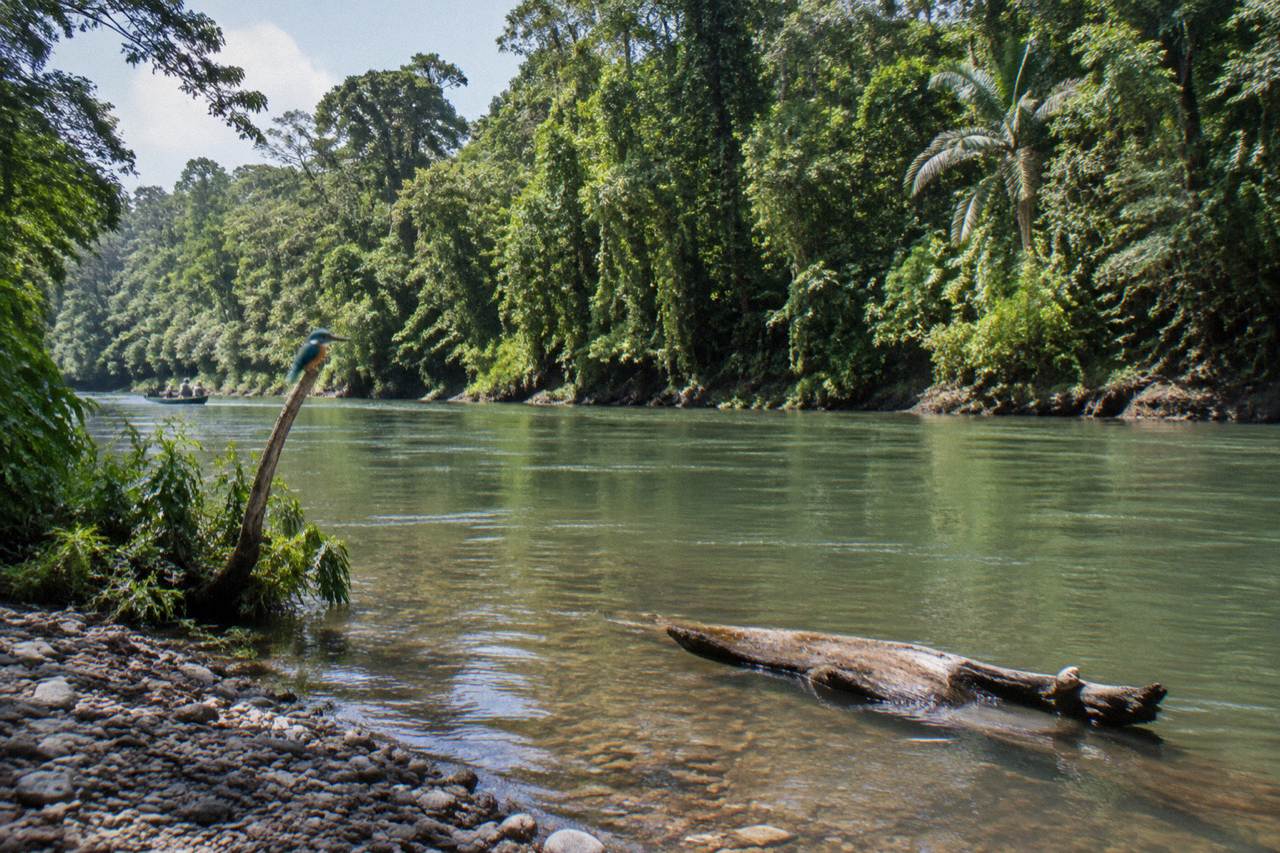
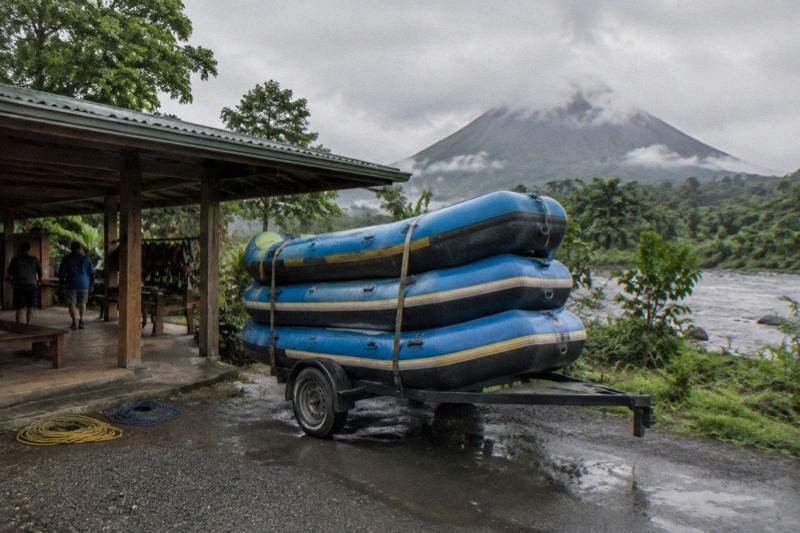
Sarapiqui is the region travelers pass through on the way somewhere else, usually La Fortuna or the Caribbean coast, and then wonder why nobody told them to stop. The canton spreads across the northern lowlands of Heredia, anchored by the town of Puerto Viejo de Sarapiqui and the smaller La Virgen, with a rain-fed, undammed river running through the middle of it. That river is the reason this site exists: it carries 31 bookable rafting, float and combo products, more rapids per mile of attention than almost anywhere in the country within a two hour drive of the capital.
The honest question behind most itineraries is simpler than it looks. People are not really asking whether Sarapiqui has scenery, because the lowlands are lush and the wildlife is genuinely present. They are asking whether the stop justifies itself against an extra night in Arenal or an earlier arrival at the coast. That is a question about trip design, not about beauty, and it has a real answer based on how the river trips, the timing and the roads actually work.
Yes, Sarapiqui is worth visiting for most travelers, especially those who want river time, wildlife, or a break from crowded volcano towns, because the region delivers exactly that kind of quiet, nature-first trip. The answer turns to no, however, for anyone chasing nightlife, beaches, or a dense strip of restaurants and bars, since Sarapiqui is not built around any of those. Sarapiqui delivers a working river valley with 31 bookable trips on this roster alone, from $60 per person for a budget three hour rafting run to a two night stay with rafting from $556 per person. It rewards at least one overnight far more than a rushed drive-through, and it underdelivers badly for anyone whose Costa Rica plan is built around evenings out.
The case for Sarapiqui rests on three things that are verifiable rather than atmospheric. First, the river itself: operators report the same stretches running Class II-III at lower dry season flows and stepping up toward Class III or IV after heavy rain, which means the valley can serve first-time families and confident paddlers without either group compromising. Second, proximity: the drive from San Jose to the Sarapiqui area runs about 1 hour 30 minutes, and La Fortuna to Puerto Viejo de Sarapiqui about 1 hour to 1 hour 10 minutes, close enough that a rafting day slots into an Arenal itinerary without a hotel change. Third, the lowland rainforest around the river holds real protected areas, including Tirimbina Biological Reserve with its hanging bridge over the Sarapiqui and La Selva Biological Station, whose guided walks run $44 per person for three hours and $55 for six hours in the current regular season.
The case against is equally concrete. There is no beach, no volcano cone to photograph at sunset, and the dining scene in Puerto Viejo de Sarapiqui is modest compared with La Fortuna. The region's roads sit inside a landslide-prone mountain corridor: Route 32 through Braulio Carrillo has closed repeatedly in 2026 after heavy rain, with detours via Route 10 or Bajos de Chilamate adding time. Rain itself is not a footnote here, it is the defining climate fact, about 3,464 mm per year on the 1990 to 2020 normals, with November averaging roughly 445 mm across 17 rainy days and April about 117 mm across 8.
So the verdict lands where trip design lands. If your Costa Rica plan already includes Arenal or a San Jose arrival, one Sarapiqui river day is one of the highest-value additions available at these prices. If you are building a beach-and-town itinerary, skip it without guilt. For a fuller product-by-product breakdown, the Sarapiqui rafting trips compared guide works through the whole roster.
Who Sarapiqui Suits Best
Sarapiqui suits families with children from about age 6, wildlife watchers, beginners who want real rapids without Class IV consequences, and experienced paddlers seeking a demanding day trip from La Fortuna or San Jose, with trips priced from $60 to $122.04 per person. It fits far less well if you want nightlife, resort amenities, or a walkable restaurant strip, since this rural valley goes dark by early evening and spreads along the river.
Families are better served here than almost anywhere in the country, and the reason is regulation as much as scenery. The national rafting norm INTE G60-1:2019 sets minimum ages by rapid class: children 8 to 11 may paddle Class I to III, and ages 12 to 17 may paddle up to Class IV, while under 5s may not participate at all. That structure maps neatly onto the local products. The family Class II-III adventure departing the Sarapiquí Outdoor Center in La Virgen lists a minimum age of 6, takes up to 24 guests, includes lunch, tropical fruit and a yucca snack, and runs from $85 per person. Younger children or nervous paddlers have a genuine third option in the wildlife safari float, from $90 per person, listing a minimum age of 4.
Wildlife watchers get a specific kind of value. Operators and guests commonly report sloths, monkeys, toucans, iguanas, caimans and aquatic birds along the banks and in the calm stretches, though no honest operator promises a sighting, and this site will not either. What can be said firmly is that the river corridor is protected: Law No. 10152 of 2022 places a 25 year renewable safeguard along the main channel and banks of the Sarapiqui from source to the San Juan mouth, banning new hydroelectric projects and new mining extraction concessions. The river you paddle is legally protected from development, which is why the jungle corridor looks the way it does.
Experienced paddlers are served by the Class III-IV products, and this is where the valley punches above its size. The featured listing on this site, the Class IV run from La Fortuna, is the most reviewed trip on the entire roster, 5.0 from 845 reviews, from $85 per person for a five hour day with lunch, fresh fruit, towels, bottled water and hotel pickup for hotels within about 6 km of the operator's main office. For paddlers who want to compare the demand level honestly, operators describe the Sarapiqui Class III-IV section is more challenging and requires stronger paddling than the Balsa River, which typically runs Class II-III.
One group deserves a direct caution. If your travel style centers on evenings out, boutique shopping or a poolside resort week, Sarapiqui will feel quiet to the point of dull after the river trip ends. Lodging near the rafting bases exists, including eco retreats near Chilamate and lodges around La Virgen, but the region's rhythm is early mornings and dark-by-six evenings, because that is when the wildlife is active and the rain usually arrives in the afternoon during the green season.
What A River Day Actually Delivers
A standard rafting day in Sarapiqui runs 3 to 8 hours door to door, with a safety briefing, gear issue, a guided run, fruit or lunch, and changing facilities, at a roster price of $60 to $122.04 per person depending on class, departure point and inclusions. Every listing on this site states its inclusions, and the differences between them are the real decision, not the scenery.
The cheapest firm-priced listing on the roster is the budget three hour Class II-III run from La Virgen at from $60 per person, 5.0 from 59 reviews, which includes all equipment, certified guides, a snack of cookies and fruit, a towel and transport during the tour, but excludes hotel transport, photos and tips. At the other end of the shared-trip price range, the six hour Class 3-4 run from La Fortuna with hotel pickup and drop-off runs from $122.04 per person, 4.9 from 136 reviews, listing a minimum age of 15 and up to 25 guests. Between them sit more than two dozen variations, and the honest way to choose is by three variables: who departs where, what the total duration covers, and what food and transport the line actually lists.
| Trip type | Example listing | Class | Total duration | From (per person) | Rating |
|---|---|---|---|---|---|
| Budget family run | Rafting Sarapiqui River Class II-III | II-III | 3 hours | $60 | 5.0 from 59 reviews |
| Family adventure with lunch | Family Rafting Adventure from La Virgen | II-III | 3 hours | $85 | 4.9 from 200 reviews |
| Full day from San Jose | Class II-III from San Jose | II-III | 10 hours | $105 | 4.0 from 20 reviews |
| Most reviewed Class IV | Class IV from La Fortuna | III-IV | 5 hours | $85 | 5.0 from 845 reviews |
| Premium small-group day | Class 4 with lunch, Arenal | IV | 6 hours | $122.04 | 5.0 from 29 reviews |
Two practical notes that first-time visitors consistently underestimate. Typical start times fall between 7:00 and 8:30 a.m., so a San Jose departure day is an early hotel wake-up. And the "duration" on every listing is total trip length including transport and lunch, not time on the water; this site prints only the listing durations because on-water hour claims vary across sources and cannot be verified consistently.
For gear and clothing, the standard advice holds: quick-drying clothes that can get wet, secure shoes rather than flip flops, a change of dry clothes, sunscreen and repellent. The detailed version lives in the what to wear rafting guide.
One Day Or Overnight In Sarapiqui
One long day covers a single rafting trip plus a short nature stop and suits most Arenal-based travelers on a tight schedule, but an overnight is the better plan for families, birders, and anyone using the valley as a link between San Jose and La Fortuna, since it unlocks a second river activity, a rainforest reserve such as Tirimbina or La Selva, and the evening and dawn wildlife hours that day-trippers never see.
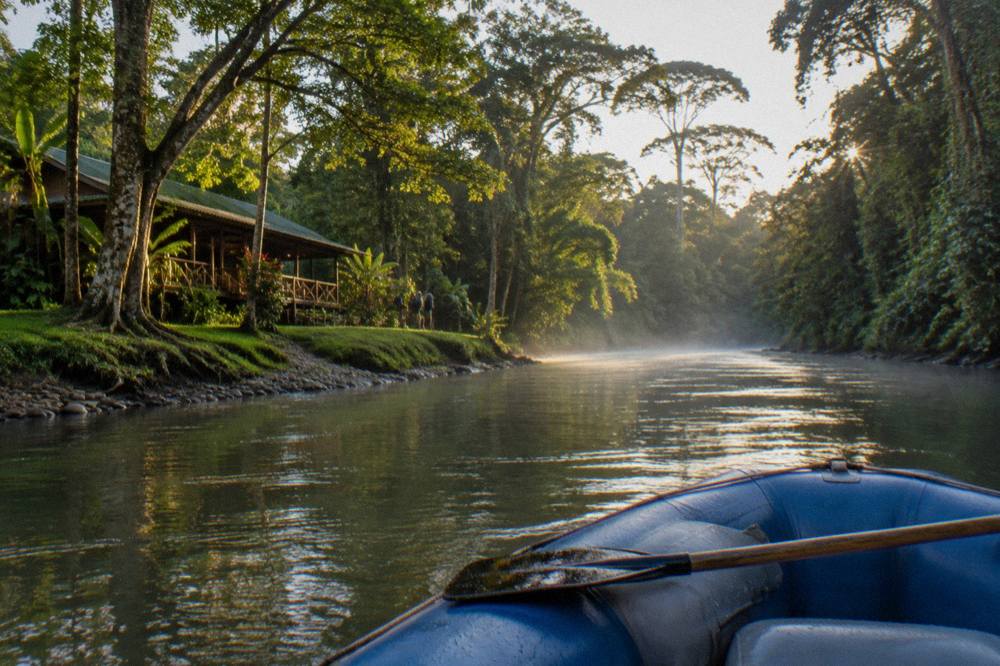
The one-day version is efficient because the geography cooperates. The direct drive from San Jose to the Sarapiqui area takes about 1 hour 30 minutes, and the connection between the valley and La Fortuna runs roughly an hour more, which is exactly why operators sell "adventure connection" products: you raft the Sarapiqui on the way between the two, with your luggage in the vehicle. The Class II-III run from San Jose at from $105 per person covers 10 hours total with round-trip transport from selected San Jose hotels, a traditional lunch, a fruit snack and a safety briefing. Travelers already in La Fortuna have it even easier; the most reviewed Class IV listing picks up from hotels within about 6 km of the main office.
The overnight version rewards a different traveler. Day one can carry the rafting, then an afternoon at Tirimbina Biological Reserve, open daily 7:00 a.m. to 5:00 p.m., with trails and a hanging bridge over the river, plus its known chocolate tours. Day two can hold the wildlife safari float from $92.66 per person, 5.0 from 23 reviews, a gentle six hour float with lunch and snacks that covers the same corridor from a completely different speed. Birders should note La Selva Biological Station's guided walks at $44 and $55 per person sit 15 minutes from the rafting bases, and that the combination of paddling day plus walking day is precisely what the two-night package from $556 per person formalizes, with accommodation, a jungle night walk at La Tirimbina and a Class III rafting day included.
There is a timing caution that applies to both plans. In high-water events, flooding or road closures, operators cancel or reroute trips, and 2026 saw notable flooding and evacuation events in the Sarapiqui area during the green season months. Free cancellation is listed on every product on this roster, which matters when the river, not the operator, makes the call. The seasonal mechanics are covered in detail in Sarapiqui river levels by season.
The Honest Downsides
Sarapiqui's real drawbacks are heavy rain volume, fragile mountain roads, limited evening life and the fact that wildlife appears on its own schedule regardless of what any listing implies. None of these is hidden, and all of them are manageable with the right expectations, but a traveler who hears only the upside will be the one writing the disappointed review, so this site states them plainly.
The rain is not a minor variable. The lowlands average about 3,464 mm of rain per year, November delivers roughly 445 mm across 17 rainy days, and even the driest month, April, sees about 117 mm across 8 rainy days. Daytime temperatures hold around 28 to 30 C year-round, so the trade is warmth and greenery against wet afternoons. The green season from May to November brings higher flows, and operators report rapids stepping up a class, which paddlers may love and families may not. Trip cancellation in genuinely high water is a real possibility, not a theoretical one.
The roads deserve respect. Route 32 through Braulio Carrillo closed repeatedly in 2026 after landslides, and the commonly cited alternates, Route 10 via Turrialba or the Bajos de Chilamate to Vuelta de Kooper route, add distance. Route 126 via Vara Blanca exists as a lighter-vehicle alternative but is steep, curvy and fog-prone in rain. Anyone with a flight or a fixed appointment the same day should build slack into the schedule, and the practical routing detail sits in the guide to reaching La Virgen de Sarapiqui.
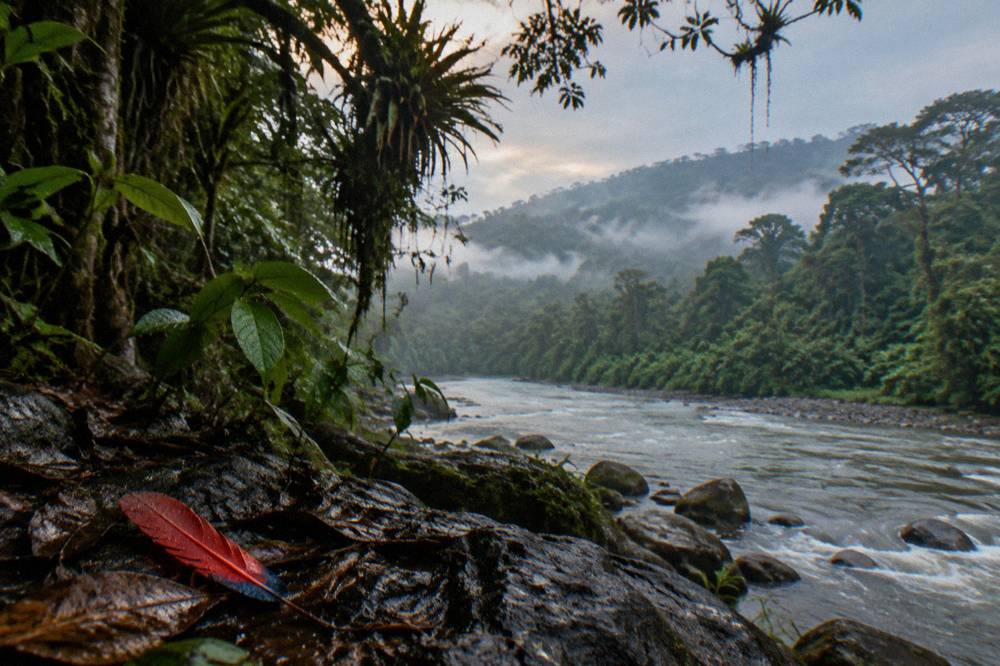
Finally, expectations around wildlife need honest framing. Sloths, monkeys, toucans, iguanas, caimans and aquatic birds are commonly reported by operators and guests on these trips, and the protected corridor makes the habitat real. But no sighting can be promised on any given day, and any operator or article that guarantees one is selling something the river does not offer. The float trips exist precisely because calm water and a guide with trained eyes raise the odds without raising the promise.
How To Fit Sarapiqui Into A Costa Rica Trip
The cleanest plans use Sarapiqui as an add-on to Arenal, as part of a San Jose first-or-last day, or as a one-night link between the two, and whichever of these options you choose, book the rafting trip for the morning slot. All three shapes work with the roster's actual departure points, which are La Virgen, Chilamate, La Fortuna and San Jose, and choosing the wrong departure point for your hotel base is the single most common planning error this site sees, because it turns a short van ride into a multi-hour detour.
For Arenal-based travelers, the choice is between La Fortuna departures, which list hotel pickup, and driving to the valley yourself for the La Virgen and Chilamate products, which meet at the operator base and take you to the river by van. The La Fortuna Class II-III near-Arenal trip, 5.0 from 101 reviews, from $105.87 per person for 8 hours with transport, guide, fruit, equipment and lunch, listing a minimum age of 7 and up to 15 guests, is the small-group version of that shape. The Aguas Bravas trip from Chilamate, 4.9 from 101 reviews at from $70 per person, includes a fresh fruit buffet, lunch and drinks, and offers either the 10 minute van ride from the Chilamate center or pickup from a Sarapiqui hotel.
For San Jose arrivals or departures, the adventure-connection logic is strongest. The full-day Class II-III from San Jose at from $105 per person, and the eight hour Class III-IV runs at from $122.04, both fold the river into the transfer day. Travelers who want the whole valley experience can take the two-night package with a night walk and Class III rafting from $556 per person, which is the roster's only multi-day product.
Timing within the day matters more than timing within the week. With typical departures between 7:00 and 8:30 a.m., the river is usually done before the afternoon rain pattern of the green season arrives, leaving the late day for a reserve walk or a slow lunch. Dry season visitors from December to April get lower, more predictable flows that operators report as Class II-III on the family stretches; green season visitors from May to November get bigger water and, in the wettest months, a genuine chance of cancellation. There is no bad month on paper, only different rivers behind the same name, and the green season rafting guide works through that trade month by month.
The Verdict And Who Should Book What
Sarapiqui is worth visiting for the river and the protected lowland forest around it, at its best as one full day plus an optional overnight, and it is the strongest value for families, wildlife watchers and paddlers based in Arenal or San Jose. It is not worth a detour for beach seekers or nightlife planners, and no amount of scenic description changes that.
For readers who want the decision compressed: first-timers and families should start with the Class II-III products from $60 to $85 per person, checking each listing's stated minimum age. Confident paddlers should look at the Class III-IV and Class IV runs from $85 to $122.04 per person. Wildlife-first travelers should treat the gentle floats, which are floats rather than rafting, as their main event. And anyone undecided should read the first-time rafting guide before picking a class, because the class, not the price, is what determines whether the day feels like triumph or ordeal.
This site, Sarapiqui River Rafting, exists because the valley earns the question. The honest answer to whether it is worth visiting is that the river makes it so, reliably, at prices from $60 per person, with protected banks, certified guides under national norms, and a drive short enough that the stop costs almost nothing to add. The scenery alone would be an argument. The rafting is the proof.
Common Questions About Visiting Sarapiqui
Is Sarapiqui Worth Visiting?
For most travelers yes: the valley offers 31 bookable river trips from $60 per person, protected rainforest corridors, and a location about 1 hour 30 minutes from San Jose and about 1 hour from La Fortuna. It suits families, wildlife watchers and paddlers. It does not suit travelers seeking beaches or nightlife, and green season visits carry a real chance of rain disruption.
How many days do you need in Sarapiqui?
One full day covers a rafting trip plus a short reserve stop. Two days, with one night, allow a second river activity such as a wildlife float plus a guided walk at La Selva or Tirimbina, and suit families and birders. The two-night package with rafting, from $556 per person, is the fullest version.
Can you visit Sarapiqui as a day trip from La Fortuna or San Jose?
Yes. Listings depart from both: the drive from San Jose runs about 1 hour 30 minutes and La Fortuna to Puerto Viejo de Sarapiqui about 1 hour to 1 hour 10 minutes. Several products fold the rafting into the transfer between the two towns, and La Fortuna departures list hotel pickup.
What wildlife will you see in Sarapiqui?
Sloths, monkeys, toucans, iguanas, caimans and aquatic birds are commonly reported by operators and guests, especially on the calm float sections. No sighting can be guaranteed on any day. The river corridor has been protected from new dams and mining concessions since 2022 under Law No. 10152.
When is the best time of year to visit?
Dry season, December to April, brings lower and more predictable flows that operators report as Class II-III on the family stretches, with April the driest month at about 117 mm of rain. Green season, May to November, brings higher water and bigger rapids but also more rain, with November the wettest month at about 445 mm.
Is Sarapiqui good for kids?
Yes, within age rules. The national norm permits ages 8 to 11 on Class I to III water and 12 to 17 up to Class IV. Local listings set their own minimums, some as low as 6 for family Class II-III runs and 4 for the safari float. Always check the specific listing, since operator minimums and any weight or health limits vary.